
Malaysia's #1 One-Stop OEM Manufacturer

Industry Insights & OEM News

ORIZI Group Blog

Discover formulation guides, manufacturing advice, and market trends for health & beauty.
ORIZI Group OEM manufacturing — blog & insights
Supplement & Functional Food OEM

Nutritional Innovations

Supplements & Functional Food

Expert articles on formulation science, ingredients, and industry regulatory updates.
OEM supplement and nutrition product packaging
Skincare & Cosmetics OEM

Beauty & Skincare Trends

Cosmetics & Skincare Insights

Stay updated on viral ingredients, cosmetic packaging, and brand building strategies.
OEM skincare and beauty products
Personal Care & Hair Care OEM

Personal Care Formulation

Daily Essentials Guide

In-depth guides on creating high-demand body, hair, and personal care products.
OEM personal care and hair care products
Perfume & Fragrance OEM

Fragrance Crafting

Essential Oils & Perfume

Insights on fine fragrance formulation and custom scent development.
OEM perfume manufacturing
Home Care & Pet Care OEM

Home & Pet Care OEM

Safe & Effective Solutions

Exploring eco-friendly household detergents and pet grooming formulas.
OEM home care and detergent products
Medical Device OEM — ISO 13485 & MDA Licensed

Medical Device OEM

Compliance & Quality

Understanding MDA licensing, ISO 13485 standards, and medical gel formulation.
ORIZI Group OEM medical device products
0%

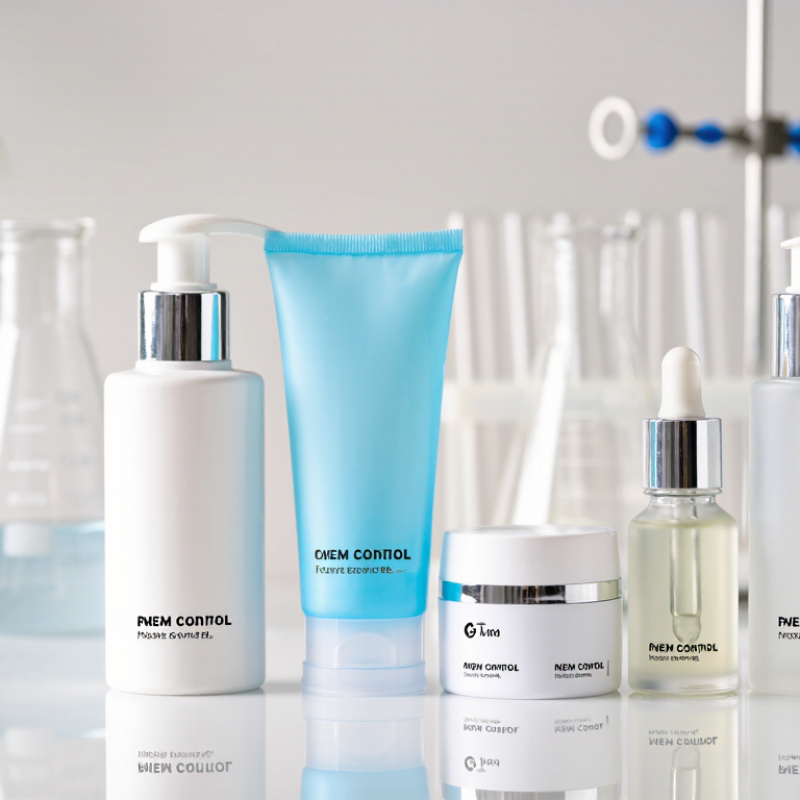
OEM Acne Control Skincare helps global buyers develop branded products for blemish-prone skin through specialized manufacturing partnerships. These products may include cleansers, gels, serums, spot treatments, or lightweight moisturizers. Each format requires different testing, packaging, and stability considerations. A clear product brief is essential.

Experienced buyers usually examine ingredient documentation, production standards, laboratory reports, and supplier communication. They may request samples with different textures, such as a fast-absorbing gel or a low-foam cleanser. Manufacturing facilities should demonstrate suitable quality systems, traceable raw materials, controlled production areas, and consistent batch records. Certifications can support trust, but they do not replace independent verification.

Regulatory expectations differ across markets. An ingredient accepted for cosmetic use in one country may face restrictions elsewhere. Acne-related claims can also change a product’s legal classification. Buyers should review INCI names, concentration limits, safety assessments, stability data, microbiological testing, and packaging compatibility with qualified experts. Avoid unsupported promises, especially claims suggesting guaranteed clinical results. Evidence matters.

No supplier checklist is perfect. Formulas may perform differently on diverse skin types, climates, and usage routines. A product that feels elegant in a laboratory may become sticky in humid conditions. That detail is easy to miss. Small pilot batches, consumer feedback, and repeated testing can reveal practical weaknesses before a wider launch. Reliable OEM cooperation depends on transparent records, realistic claims, and continuous improvement rather than attractive presentations alone.
What Is OEM Acne Control Skincare for Global Buyers?

Definition of OEM Acne Control Skincare

OEM acne control skincare means a qualified manufacturer develops and produces products for another company’s specifications. The buyer may define the target consumer, texture, packaging, ingredients, and allowable claims. The manufacturer then manages formulation, testing, filling, and batch documentation. Ownership terms differ, so contracts must state who controls the formula and safety data.

The need is substantial. A 2021 systematic review estimated acne affects about 9.4% of the global population. The Global Burden of Disease Study 2019 reported approximately 117.4 million prevalent cases worldwide. These figures show demand, but they do not prove that every consumer needs the same product. Skin tone, climate, age, sebum levels, and irritation sensitivity can change performance.

A practical OEM brief should specify gentle cleansing, non-comedogenic testing, stability testing, and clear usage instructions. Evidence matters more than impressive wording. A small user trial may reveal pilling, dryness, or poor compatibility under humid conditions. That part is often underestimated.

“Acne control” also requires careful claim review. Cosmetic claims may describe oil reduction or improved appearance. Treatment claims can trigger different regulatory requirements in the target market. Requirements vary across jurisdictions. They should never be assumed.

Reliable suppliers should provide ingredient specifications, microbiological results, stability records, and traceable batch information. Independent safety assessment is valuable, although it cannot replace local compliance review. OEM is efficient, but not automatically precise. The brief can still be wrong.

Key Ingredients and Product Functions

What Is OEM Acne Control Skincare for Global Buyers?

OEM acne control skincare combines customized formulation, packaging, and manufacturing for different markets. Buyers should examine ingredients and functions before discussing appearance. Salicylic acid helps remove excess oil and dead skin from pores. Niacinamide can support the skin barrier and reduce the look of redness. Zinc compounds may help manage surface oil, depending on the formula and concentration. These ingredients need careful compatibility testing.

A gentle cleanser may use low-irritation surfactants to remove sweat and sebum. A lightweight gel can provide targeted care without a heavy finish. Moisturizers with glycerin, panthenol, or ceramides help reduce dryness during acne routines. This matters because over-drying can encourage discomfort and poor product compliance. It may also make skin look more irritated. Not every formula suits every face.

Global buyers should request stability, microbial, safety, and packaging compatibility data. They should also confirm ingredient limits and labeling rules in each target market. An experienced OEM partner can adjust texture, fragrance level, package size, and usage instructions. Fragrance-free options may serve sensitive users more effectively. However, “natural” does not automatically mean safer. A clear gel may still sting damaged skin. Real-world user testing can reveal problems that laboratory checks miss. Product claims should remain evidence-based, precise, and easy to understand.

What Is OEM Acne Control Skincare for Global Buyers? - Key Ingredients and Product Functions

Product Category Key Ingredient Typical Cosmetic Use Level Main Product Function Suitable Product Formats OEM Development Considerations
Cleansers Salicylic Acid Commonly 0.5%–2% in acne-focused products, subject to local regulations Helps exfoliate within pores and remove excess oil and surface impurities Gel cleanser Foaming cleanser Cream cleanser Control pH, reduce irritation potential, and validate rinse-off performance and skin compatibility
Serums and Spot Treatments Niacinamide Often formulated at 2%–5%; higher levels may increase flushing or irritation for some users Supports the skin barrier, helps improve the appearance of uneven tone, and can help regulate visible oiliness Water-based serum Spot gel Ampoule Check compatibility with low-pH acids, maintain uniform distribution, and support non-comedogenic positioning with testing
Leave-on Exfoliants Glycolic Acid Frequently 3%–10% in cosmetic exfoliating products, depending on market and product type Provides surface exfoliation and may improve the appearance of rough texture and post-blemish marks Toner Serum Peel Use a controlled pH, include irritation guidance, and conduct stability, preservative, and packaging compatibility tests
Leave-on Exfoliants Lactic Acid Commonly 2%–10% in cosmetic exfoliating formulas Offers mild surface exfoliation while also functioning as a humectant to support skin hydration Toner Serum Lotion Useful for sensitive-skin concepts when appropriately formulated; verify tolerability through controlled user testing
Oil-Control Products Zinc PCA Use level varies by supplier specification and formula design Supports oil-control claims and helps create a fresh, less-shiny skin feel Serum Gel cream Mist Assess salt compatibility, odor, color, and potential interaction with thickeners and botanical extracts
Soothing Products Panthenol Often used at approximately 0.5%–5%, depending on the desired skin-conditioning effect Helps moisturize and soothe skin that feels dry or uncomfortable after cleansing or exfoliation Essence Cream Barrier gel Suitable for balancing stronger active concepts; evaluate tackiness, absorption, and compatibility with humectants
Soothing Products Allantoin Commonly used at approximately 0.1%–0.5% Conditioning ingredient that helps improve the feel of dry, rough, or irritated skin Lotion Cream Spot balm Confirm complete dissolution or dispersion, prevent crystallization, and assess the finished product’s texture
Moisturizers Ceramides Use level depends on the ceramide type, delivery system, and supplier technology Helps support the skin barrier and reduce the dry, tight feeling that may follow acne-focused routines Emulsion Gel cream Barrier cream Require suitable dispersion technology, lipid compatibility, and packaging that protects formula stability
Moisturizers Hyaluronic Acid Use level varies by molecular weight and raw-material concentration Attracts and retains water on the skin surface to improve hydration and skin feel Hydrating serum Gel cream Sheet mask essence Balance different molecular weights for sensory performance and test viscosity, pilling, and tackiness
Daily Protection Broad-Spectrum UV Filters Use levels and permitted filters vary significantly by target market Helps protect skin from ultraviolet radiation and supports the appearance of post-blemish discoloration management Facial sunscreen Moisturizer with SPF UV gel Confirm local sunscreen regulations, SPF/UVA testing, photostability, water resistance, and labeling requirements
Global compliance note: Ingredient permissions, maximum concentrations, product classification, acne-related claims, sunscreen requirements, and mandatory labeling differ by market. OEM buyers should complete local regulatory review, stability testing, microbiological testing, packaging compatibility testing, and claim substantiation before commercial launch.

OEM Manufacturing and Customization Process

What Is OEM Acne Control Skincare for Global Buyers?

The Global Burden of Disease Study 2019 estimated 117.4 million acne cases worldwide. This demand creates opportunity for customized OEM skincare. However, acne-control products require more than attractive packaging. Buyers need a controlled manufacturing process, traceable ingredients, and evidence-based product positioning.

A reliable OEM project starts with market research and a clear product brief. The brief should define skin type, target region, texture, fragrance level, and permitted claims. Formulators then screen ingredients for stability, compatibility, and regional compliance.

A pilot sample follows. It should be tested under heat, humidity, light, and freeze-thaw conditions. Small details matter, such as pump performance after repeated use.

The factory should operate with cosmetic good manufacturing practices, including batch records, supplier qualification, and microbiological testing. ISO 22716 provides a useful GMP framework for cosmetic production. Safety assessment, stability data, packaging compatibility, and a certificate of analysis strengthen buyer confidence. Clinical or consumer testing may support claims, but the evidence must match each market’s rules.

The difficult part is consistency. One sample may feel excellent, while the next batch feels heavier. This can happen when raw-material lots change. A responsible OEM partner reviews viscosity, pH, appearance, odor, and microbial results before release. No formula suits every climate. That limitation deserves honest discussion, not a stronger promise. Small-scale production can reveal problems earlier, although it may cost more per unit.

Global Compliance, Testing, and Packaging Requirements

What Is OEM Acne Control Skincare for Global Buyers?

Global Compliance, Testing, and Packaging Requirements

OEM acne control skincare requires more than an effective formula. Its legal status can change by market. In some countries, acne claims may classify a product as a cosmetic. Elsewhere, the same claim may trigger drug requirements. Buyers should review local rules before approving the formula or artwork.

A reliable development process starts with documented ingredients, supplier records, and traceable batch numbers. Testing should cover stability, microbial limits, preservative performance, and packaging compatibility. The final formula also needs evidence for every visible claim. “Reduces blemishes” requires support. “Cures acne” may create serious regulatory risk. Testing must reflect real storage conditions, including heat, humidity, and repeated opening.

Packaging needs equal attention. Labels may require ingredient names, net content, directions, warnings, responsible-party details, and local language. Some markets also require a period-after-opening symbol or child-resistant packaging. Airless pumps can protect sensitive formulas, but they still need transport testing. A clean-looking label can fail during inspection.

In OEM projects, small details often create delays. A missing translation can hold a shipment. An incorrect batch code can weaken traceability.

No checklist is flawless. Buyers should use independent regulatory review and retain test reports, specifications, and approval records. GMP-aligned production helps, but it does not replace market-specific compliance.

How Global Buyers Evaluate OEM Suppliers

OEM acne control skincare combines a buyer’s product concept with a manufacturer’s formulation, testing, and production capabilities. For global buyers, the product is only one part of the decision. Supplier evaluation should begin with ingredient transparency, target skin concerns, and permitted cosmetic claims in each market. A reliable supplier can provide an INCI list, safety documents, stability data, and microbiological test results. Small details matter. Packaging compatibility matters too.

Experienced buyers often request laboratory samples before discussing large orders. They compare texture, fragrance, absorption, and skin comfort under different climates. A supplier should explain its testing methods, production controls, batch traceability, minimum order quantity, and lead time. Evidence of GMP-based procedures or relevant quality certifications can support credibility, but documents still require careful review. A certificate alone does not prove consistent performance. Buyers should also check whether the supplier can adjust formulas without weakening preservation or stability.

Communication reveals practical reliability. Can the team answer technical questions clearly? Do they record revisions and confirm specifications in writing? Delayed replies may become costly during approval or production. Some suppliers offer attractive prices but provide weak documentation. That is a warning sign. However, even careful buyers can miss packaging delays or regional labeling differences. A stronger process includes a pilot batch, independent review, and written acceptance criteria before scaling production. Claims such as “clears acne” need particular caution, because cosmetic and drug classifications differ across markets.

FAQS

What is OEM acne-control skincare?

It combines customized formulas, packaging, and manufacturing for specific markets. Buyers define texture, package size, fragrance, and permitted claims.

Which ingredients are commonly used?

Salicylic acid helps clear excess oil and dead skin from pores. Niacinamide may support the skin barrier and reduce visible redness. Zinc compounds can help manage surface oil.

Can these ingredients suit every skin type?

No formula suits every face. Damaged skin may sting, even with a clear gel. Sensitive users may prefer fragrance-free options.

Why are moisturizers included in acne routines?

Glycerin, panthenol, and ceramides can reduce dryness. Over-drying may increase discomfort and lower daily product use. Skin can look more irritated.

What should buyers include in a product brief?

Define the target region, skin type, texture, fragrance level, package size, and acceptable claims. Keep the brief specific.

How should an OEM formula be tested?

Test stability under heat, humidity, light, and freeze-thaw conditions. Check pH, viscosity, odor, appearance, microbes, and package performance. Pumps matter too.

What manufacturing records should buyers request?

Request batch records, supplier qualification details, safety assessments, stability data, and packaging compatibility results. A certificate of analysis adds useful evidence.

Why can different batches feel different?

Raw-material lots may change viscosity, texture, or skin feel. One sample may feel excellent, while another feels heavier. Consistency requires careful release checks.

Are “natural” ingredients always safer?

No. Natural does not automatically mean safer. Real-world user testing may reveal stinging that laboratory checks miss.

How should acne-control claims be written?

Claims should be precise, evidence-based, and easy to understand. Clinical or consumer testing can support suitable claims. Stronger promises are not always better.

Conclusion

OEM Acne Control Skincare refers to acne-focused products developed and manufactured by a supplier according to a global buyer’s specifications. These products may include cleansers, toners, serums, creams, or spot treatments designed to support oil control, pore care, skin calming, and blemish-prone skin management. Common ingredient categories can include gentle exfoliants, soothing agents, hydrating components, and barrier-supporting ingredients, with product functions selected according to the target market and consumer needs.

The OEM process usually covers formula development, sample testing, customization, production, quality inspection, and final packaging. Global buyers should confirm ingredient safety, stability, microbiological testing, labeling accuracy, claims support, and compliance with the regulations of each destination market. Packaging should protect product quality while providing clear usage instructions, ingredient information, batch details, and required warnings. When evaluating OEM suppliers, buyers should consider manufacturing qualifications, quality systems, research and development capabilities, communication, production capacity, documentation, lead times, and the supplier’s ability to deliver consistent products for international distribution.

Ethan

Ethan

Ethan is a dedicated marketing professional with a strong understanding of the company’s products, customers, and industry landscape. Through a combination of market research, strategic planning, and clear communication, he helps present practical solutions that address real business needs. His......