
Malaysia's #1 One-Stop OEM Manufacturer
Industry Insights & OEM News
ORIZI Group Blog
Discover formulation guides, manufacturing advice, and market trends for health & beauty.
Supplement & Functional Food OEM
Nutritional Innovations
Supplements & Functional Food
Expert articles on formulation science, ingredients, and industry regulatory updates.
Skincare & Cosmetics OEM
Beauty & Skincare Trends
Cosmetics & Skincare Insights
Stay updated on viral ingredients, cosmetic packaging, and brand building strategies.
Personal Care & Hair Care OEM
Personal Care Formulation
Daily Essentials Guide
In-depth guides on creating high-demand body, hair, and personal care products.
Perfume & Fragrance OEM
Fragrance Crafting
Essential Oils & Perfume
Insights on fine fragrance formulation and custom scent development.
Home Care & Pet Care OEM
Home & Pet Care OEM
Safe & Effective Solutions
Exploring eco-friendly household detergents and pet grooming formulas.
Medical Device OEM — ISO 13485 & MDA Licensed
Medical Device OEM
Compliance & Quality
Understanding MDA licensing, ISO 13485 standards, and medical gel formulation.
Blog
What Is OEM Acne Control Skincare for Global Buyers?
OEM Acne Control Skincare helps global buyers develop branded products for blemish-prone skin through specialized manufacturing partnerships. These products may include cleansers, gels, serums, spot treatments, or lightweight moisturizers. Each format requires different testing, packaging, and stability considerations. A clear product brief is essential.
Experienced buyers usually examine ingredient documentation, production standards, laboratory reports, and supplier communication. They may request samples with different textures, such as a fast-absorbing gel or a low-foam cleanser. Manufacturing facilities should demonstrate suitable quality systems, traceable raw materials, controlled production areas, and consistent batch records. Certifications can support trust, but they do not replace independent verification.
Regulatory expectations differ across markets. An ingredient accepted for cosmetic use in one country may face restrictions elsewhere. Acne-related claims can also change a product’s legal classification. Buyers should review INCI names, concentration limits, safety assessments, stability data, microbiological testing, and packaging compatibility with qualified experts. Avoid unsupported promises, especially claims suggesting guaranteed clinical results. Evidence matters.
No supplier checklist is perfect. Formulas may perform differently on diverse skin types, climates, and usage routines. A product that feels elegant in a laboratory may become sticky in humid conditions. That detail is easy to miss. Small pilot batches, consumer feedback, and repeated testing can reveal practical weaknesses before a wider launch. Reliable OEM cooperation depends on transparent records, realistic claims, and continuous improvement rather than attractive presentations alone.
Read more »
 By:Ethan
- October 18, 2026

2026 Top OEM Anti Aging Skincare Suppliers?
The 2026 search for leading OEM Anti Aging Skincare suppliers begins with evidence, not attractive packaging. Global demand is expanding, but supplier quality remains uneven. Grand View Research valued the global anti-aging market at approximately USD 47.27 billion in 2023. Its report projects a compound annual growth rate of 6.7% from 2024 to 2030. These figures suggest opportunity, not guaranteed success.
Consumers now expect visible results, safer formulas, and transparent ingredient information. A heavy cream beside an airless pump tells only part of the story. Buyers should examine stability data, preservative challenge testing, batch consistency, and claim substantiation. Retinol, peptides, vitamin C, and ceramides require different packaging and formulation controls. Some suppliers still present impressive laboratory language without showing meaningful evidence. That deserves scrutiny.
Dermatologist Dr. Doris Day has stated, “Sunscreen is the most important anti-aging product you can use.” Her point reflects a broader professional consensus: prevention should support every anti-aging routine. The American Academy of Dermatology also recommends broad-spectrum sunscreen with SPF 30 or higher. For this reason, the best OEM partner should understand daily protection, not only wrinkle-focused marketing. Euromonitor’s beauty research also identifies efficacy, wellness, and ingredient transparency as continuing consumer priorities. Still, market reports cannot replace direct factory verification. Product samples may perform differently after scale-up. That is an uncomfortable possibility. This guide compares 2026 OEM Anti Aging Skincare suppliers through formulation expertise, manufacturing experience, documentation, customization, and commercial reliability. The strongest partner is not always the largest. It is the supplier that can prove its claims consistently.
Read more »
 By:Oliver
- October 13, 2026

What Is OEM Sunscreen and How to Choose a Supplier?
The global sunscreen market is expanding, but growth does not guarantee product quality. Grand View Research valued the market at approximately USD 13.03 billion in 2023. Its report projects continued growth through 2030, driven by daily sun protection, skincare innovation, and rising consumer awareness. Behind every finished tube, however, sits a difficult supplier decision.
OEM Sunscreen means more than placing a logo on existing cream. It involves formulation control, testing, packaging, regulatory documentation, and reliable production. The American Academy of Dermatology recommends broad-spectrum, water-resistant sunscreen with SPF 30 or higher. This creates a practical benchmark for product development. Dr. Henry W. Lim, a leading photodermatology specialist, has stated, “Sunscreen is an important part of a comprehensive sun-protection strategy.” The sentence sounds simple. Supplier evaluation is not.
A credible manufacturer should provide clear INCI lists, stability results, microbiological testing, SPF and UVA substantiation, batch traceability, and suitable quality certifications. ISO 22716-based manufacturing practices can support stronger control, although certification alone proves nothing. Ask to inspect the production site, review recent test reports, and confirm who owns the formula. Check lead times, minimum order quantities, filling accuracy, and packaging compatibility. A low MOQ can look attractive. It may hide higher unit costs or weaker customization.
Product samples matter, but one impressive sample proves little. Request pilot batches and observe consistency across production runs. Claims must also match the destination market’s requirements. This is where many plans become less certain. A supplier may be experienced, yet still unsuitable for your formula, audience, or launch schedule. Choosing well requires evidence, careful questions, and a willingness to reconsider convenient assumptions.
Read more »
By:Ethan
- October 8, 2026
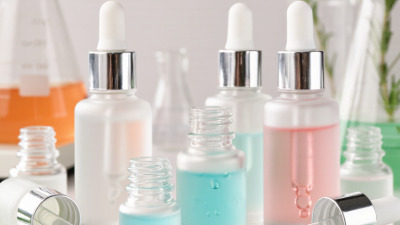
China Top 10 OEM Face Serum Manufacturers?
China’s OEM Face Serum market is crowded, but impressive packaging does not prove manufacturing excellence. A serious comparison must examine formulation capability, ingredient traceability, stability testing, production hygiene, documentation, and communication. Buyers should also review minimum order quantities, sample revisions, filling accuracy, and export experience. Small details matter. A serum that separates after heat exposure can damage an entire product launch.
Cosmetic science educator Michelle Wong offers a useful reminder: “Science is not about being right; it’s about being less wrong.” Her words suit the OEM Face Serum industry, where claims require evidence and formulas need practical testing. This guide introduces ten notable Chinese manufacturers through a buyer-focused lens. It considers private-label flexibility, active-ingredient handling, packaging options, quality systems, and support for international brands. The list is not an unquestionable ranking. Supplier performance may change with factory capacity, management, and project requirements. That limitation deserves attention.
Some manufacturers may excel at peptide serums, while others handle botanical extracts or sensitive-skin formulas better. A polished website is not enough. Ask for current certificates, batch records, sample test results, and clear production timelines. Request evidence, not promises. Product development also involves trade-offs. A lower unit cost may mean fewer formula revisions or limited packaging choices. A premium supplier may require higher order volumes. This introduction sets the scope for evaluating China’s top OEM Face Serum manufacturers with practical expectations, careful verification, and room for honest doubt.
Read more »
 By:Nathan
- October 3, 2026
What Are the Top OEM Facial Cleanser Types in 2026?
Choosing an OEM Facial Cleanser in 2026 means looking beyond a trend label. Brands may compare foaming gels, creamy washes, cleansing oils, balms, micellar waters, and powder cleansers. Each format creates a different first impression: a light foam rinses quickly, while a balm melts under warm fingertips. The right choice depends on the intended user, formula goals, and product experience.
Cosmetic chemist and educator Perry Romanowski’s work offers a useful principle, paraphrased here: “A cleanser should balance cleansing performance with the needs of its intended user.” That sounds simple. It isn’t always. A supplier’s sample may feel elegant in a lab, yet perform differently across skin types or in hard water. Ask about surfactant systems, fragrance options, stability testing, packaging compatibility, and minimum order quantities. Request documentation, too, rather than relying on a polished brochure.
This guide explores the cleanser types brands may consider for 2026, alongside their textures, use cases, and manufacturing trade-offs. It also highlights questions to ask before selecting an OEM partner. There is no universal winner. A gentle cream cleanser may suit one positioning, while a rinse-clean gel may better match another. Even a promising formula can need revision. That’s worth admitting. A thoughtful choice starts with clear product goals, transparent supplier communication, and testing with the people the cleanser is designed to serve.
Read more »
By:Ethan
- September 28, 2026

7 Tips for Choosing an OEM Weight Management Supplement
The demand for weight-management products is expanding, but responsible OEM Weight Management Supplement development requires more than attractive packaging. The World Health Organization reported that more than one billion people were living with obesity worldwide in 2022. Its 2024 obesity fact sheet also identified obesity as a chronic, relapsing disease, not a simple lifestyle failure. Meanwhile, McKinsey’s Future of Wellness research valued the global wellness market at approximately $1.8 trillion. The opportunity is substantial. The responsibility is larger.
Evidence must lead.
Dr. Pieter Cohen, a Harvard Medical School physician and dietary-supplement safety researcher, has repeatedly emphasized, “There are no magic pills for weight loss.” That warning should shape every sourcing, formulation, and marketing decision. The NIH Office of Dietary Supplements also notes that weight-loss supplements may have limited evidence, variable quality, and potential safety concerns. For OEM buyers, this means checking ingredient identity, dosage rationale, contaminant testing, stability data, and transparent labeling before discussing margins. A glossy sample cannot replace verification.
Some choices remain imperfect. Consumer preferences change quickly. Clinical evidence may lag behind trends. Even “natural” ingredients deserve careful review. These gaps make supplier due diligence essential, especially when products will cross multiple markets and regulatory systems. The following seven tips examine how to evaluate scientific support, manufacturing controls, customization, documentation, claims, pricing, and long-term supplier reliability. They are practical checkpoints, not promises of effortless results. A credible OEM partner should welcome difficult questions, disclose limitations, and help brands avoid claims that sound impressive but cannot be defended.
Read more »
By:Nathan
- September 23, 2026

2026 Top OEM Probiotic Gut Health Supplement Suppliers?
The 2026 search for top OEM Probiotic Gut Health Supplement suppliers is no longer based on low prices alone. Brands need reliable partners that can support formulation, testing, packaging, and regulatory review. A supplier’s factory may look impressive, yet daily quality controls reveal more. Visitors should examine production records, hygiene procedures, and batch traceability. Small details matter, such as sealed sample bags and readable lot numbers.
Experienced buyers should compare strain identity, viable count at expiry, storage conditions, and evidence for each formulation. Certificates of analysis can help, but they require careful verification. Independent testing may confirm microbial purity, heavy metal limits, and label accuracy. Stability data is equally important because probiotics can lose strength during shipping or warehouse storage. A refrigerated product is not automatically better. Its cold-chain process must be practical for the target market.
Good suppliers communicate clearly. They explain minimum order quantities, lead times, ingredient origins, and change-control procedures. They also avoid exaggerated digestive-health promises. Claims should match scientific evidence and local requirements. This point deserves attention. A polished website cannot replace transparent documentation.
This guide examines potential OEM partners through a practical, evidence-aware lens. It considers manufacturing experience, formulation flexibility, quality systems, customer support, and commercial reliability. Rankings can never fit every brand perfectly. A startup may value smaller trial orders, while an established retailer may need automated packaging and global logistics. Readers should question attractive claims, request current documents, and test samples before signing long-term agreements. Supplier selection is not a one-time decision. It is an ongoing quality relationship.
Read more »
By:Nathan
- September 18, 2026

How to Choose an OEM Collagen Beauty Supplement Supplier?
Choosing an OEM Collagen Beauty Supplement supplier is not simply a search for the lowest quotation. It is a decision about product safety, manufacturing consistency, and long-term brand credibility. A dependable supplier should clearly explain collagen sources, peptide specifications, flavor systems, production controls, and testing procedures. Ask for current certifications, allergen statements, batch records, and stability data. Do not treat a polished brochure as proof. Real evidence matters. A useful first discussion should feel practical, detailed, and transparent.
Details often reveal a supplier’s real experience. Review the factory’s quality system, equipment, production capacity, and inspection process. Confirm whether raw materials can be traced from origin to finished batch. Independent laboratory testing may help verify collagen content, microbiological safety, heavy metals, and unwanted contaminants. The supplier should also understand the markets where your product will be sold. Labeling, permitted claims, packaging, and documentation may differ between countries. Strong technical support can prevent expensive corrections later.
No supplier is perfect. That deserves attention. A trustworthy partner should acknowledge limitations instead of promising everything immediately. Request samples, compare their texture and flavor, and examine how quickly they answer difficult questions. Check references when possible, but remember that testimonials are not the same as verified performance. Clear contracts should define specifications, responsibilities, timelines, and corrective actions. The best choice is usually the supplier that combines technical knowledge with honest communication. Your reputation is in the jar.
Read more »
By:Ethan
- September 11, 2026
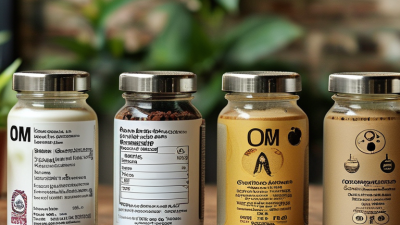
7 Tips for Choosing OEM Functional Coffee Suppliers?
Choosing an OEM Functional Coffee supplier is not simply a price comparison. It is a decision about ingredients, manufacturing discipline, product safety, and brand credibility. A supplier may offer attractive packaging and fast samples, yet fail to provide reliable testing records. The details matter.
Coffee scientist Christopher Hendon, co-author of Water for Coffee, has said, “Coffee is a very complicated system.” That observation applies even more when coffee is combined with vitamins, minerals, herbs, mushrooms, or other functional ingredients. Each component can affect flavor, solubility, stability, and consumer safety. A serious supplier should explain these interactions clearly.
This guide presents seven practical tips for evaluating an OEM Functional Coffee partner. It examines ingredient sourcing, factory certifications, formulation expertise, laboratory testing, production capacity, packaging control, and communication. Look for evidence, not polished promises. Request certificates of analysis, allergen statements, heavy-metal results, microbiological reports, and stability data. Confirm whether the factory follows recognized food-safety systems and supports legally compliant product claims in your target market.
A sample can taste excellent on day one and deteriorate after several months. That risk is easy to overlook. MOQ, lead time, formula ownership, and corrective-action procedures also deserve careful review. One imperfect assumption can become an expensive launch delay. Still, no checklist guarantees a perfect partnership. Buyers should question their own priorities, test samples under realistic storage conditions, and document every decision before signing. A dependable supplier does not avoid difficult questions; it answers them with traceable records and practical solutions.
Read more »
By:Ethan
- September 11, 2026

Top 10 OEM Functional Tea Suppliers for Global Buyers
Global buyers need more than attractive tea packaging and competitive quotes. OEM Functional Tea suppliers must combine formulation skill, stable sourcing, compliant production, and clear communication. This guide introduces ten manufacturers worth evaluating for private-label and custom tea programs. It focuses on practical evidence, not promotional rankings. Each supplier is considered through product capabilities, certifications, quality systems, minimum order quantities, and export experience. Details matter. A smooth sample process can reveal more than a polished website.
Functional tea may include botanical blends, wellness-oriented infusions, instant powders, or ready-to-drink formats. However, “functional” claims require careful review. Buyers should verify ingredient documentation, allergen controls, testing records, and labeling support for each target market. A supplier experienced in one country may not understand another market’s requirements. That gap can become expensive. We also consider extraction methods, flavor consistency, packaging choices, shelf-life data, and batch traceability. Factory visits, independent testing, and reference checks can strengthen confidence before large commitments. Still, public information is often incomplete, and supplier capabilities may change over time.
The selection is therefore a starting point, not a final verdict. Buyers should request current certificates, recent audit results, product samples, and written quotations. Ask difficult questions early. Can the factory reproduce the same flavor after six months? Can it manage seasonal botanical variation? Can it explain failed tests honestly? These answers show operational maturity. The following list supports informed comparison, realistic negotiations, and safer long-term partnerships. Some recommendations may need rechecking. That is a useful limitation, not a weakness.
Read more »
By:Ethan
- September 11, 2026