
Industry Insights & OEM News
ORIZI Group Blog
Discover formulation guides, manufacturing advice, and market trends for health & beauty.
Nutritional Innovations
Supplements & Functional Food
Expert articles on formulation science, ingredients, and industry regulatory updates.
Beauty & Skincare Trends
Cosmetics & Skincare Insights
Stay updated on viral ingredients, cosmetic packaging, and brand building strategies.

Personal Care Formulation
Daily Essentials Guide
In-depth guides on creating high-demand body, hair, and personal care products.
Fragrance Crafting
Essential Oils & Perfume
Insights on fine fragrance formulation and custom scent development.

Home & Pet Care OEM
Safe & Effective Solutions
Exploring eco-friendly household detergents and pet grooming formulas.
Medical Device OEM
Compliance & Quality
Understanding MDA licensing, ISO 13485 standards, and medical gel formulation.
Top 10 OEM Functional Tea Suppliers for Global Buyers
Table of Contents
Global buyers need more than attractive tea packaging and competitive quotes. OEM Functional Tea suppliers must combine formulation skill, stable sourcing, compliant production, and clear communication. This guide introduces ten manufacturers worth evaluating for private-label and custom tea programs. It focuses on practical evidence, not promotional rankings. Each supplier is considered through product capabilities, certifications, quality systems, minimum order quantities, and export experience. Details matter. A smooth sample process can reveal more than a polished website.
Functional tea may include botanical blends, wellness-oriented infusions, instant powders, or ready-to-drink formats. However, “functional” claims require careful review. Buyers should verify ingredient documentation, allergen controls, testing records, and labeling support for each target market. A supplier experienced in one country may not understand another market’s requirements. That gap can become expensive. We also consider extraction methods, flavor consistency, packaging choices, shelf-life data, and batch traceability. Factory visits, independent testing, and reference checks can strengthen confidence before large commitments. Still, public information is often incomplete, and supplier capabilities may change over time.
The selection is therefore a starting point, not a final verdict. Buyers should request current certificates, recent audit results, product samples, and written quotations. Ask difficult questions early. Can the factory reproduce the same flavor after six months? Can it manage seasonal botanical variation? Can it explain failed tests honestly? These answers show operational maturity. The following list supports informed comparison, realistic negotiations, and safer long-term partnerships. Some recommendations may need rechecking. That is a useful limitation, not a weakness.
What Functional Tea OEM Suppliers Provide
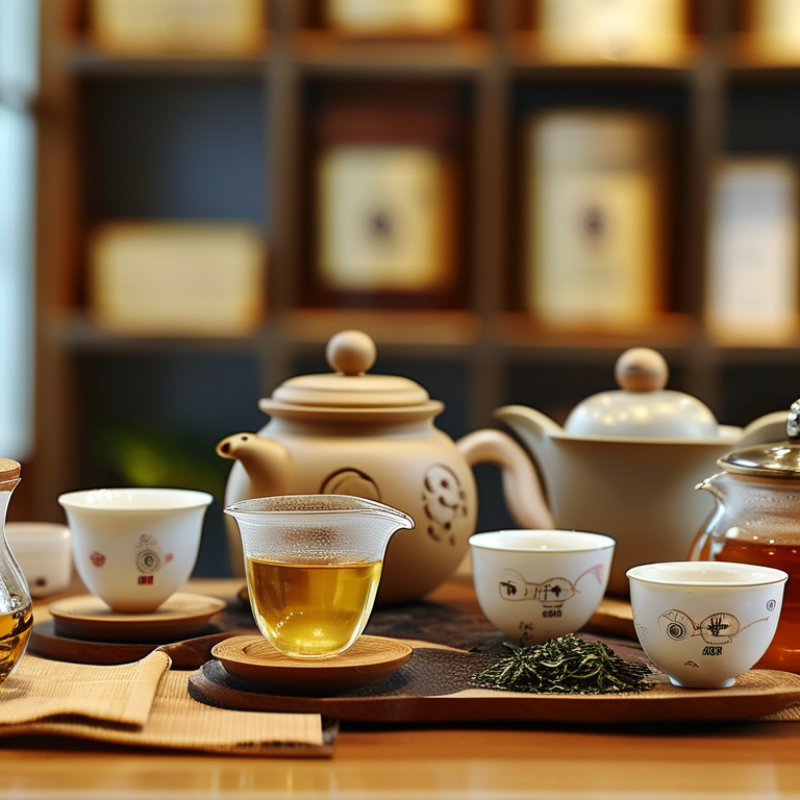
Functional tea OEM suppliers provide more than blending and packing. They translate a product idea into a tested, scalable formula. Services often include ingredient sourcing, flavor development, pilot batches, sachet filling, packaging, and batch documentation. Grand View Research estimates the global tea market reached about USD 55 billion in 2022, showing strong competition for reliable production partners.
Experienced suppliers should verify botanical identity, pesticide residues, heavy metals, microbial safety, and allergen controls. They should also provide certificates of analysis and traceability records. Market research from Innova Market Insights shows growing consumer interest in products linked to wellness, but “healthy” positioning still requires careful evidence. A supplier must separate traditional use from legally permitted claims. A good-looking sample is not enough. It may taste excellent yet fail stability testing or dissolve poorly in cold water.
Tips: Ask for a small pilot batch first. Check three production records. Request stability data, not promises. Compare the declared active content with independent test results. Suppliers should also support label review for the target market, since dosage, warnings, and permitted claims vary by country. Some OEM teams offer many ingredients but limited formulation depth. That is a weakness worth questioning. Even experienced buyers can overlook moisture migration inside individual sachets, especially during humid-season shipping. Clear specifications, retained samples, and agreed acceptance limits make the relationship more dependable.
How to Define Your Functional Tea Product Requirements
Before contacting an OEM functional tea supplier, define the product’s purpose in practical terms. Decide whether it supports relaxation, daily energy, digestion, or hydration. Avoid vague promises that cannot be measured or legally communicated. Identify the target consumer, serving size, preferred tea base, and acceptable caffeine level. A clear product brief reduces costly revisions later.
Taste matters more than many buyers expect. Record the desired aroma, color, sweetness, and aftertaste with simple sensory descriptions. List preferred ingredients, exclusion requirements, allergen controls, and botanical quality standards. Ask suppliers for identity testing, contaminant screening, stability data, and certificates from qualified laboratories. Check whether the proposed wording follows the rules of each target market. Formulas are not automatically transferable across countries.
Packaging also needs early decisions. Choose tea bags, loose leaf, instant powder, or ready-to-drink formats. Define pack size, moisture protection, shelf life, storage conditions, and labeling space. Set realistic minimum order quantities and a pilot batch before full production. My experience is that buyers often overfocus on ingredients and underdefine the customer experience. That can weaken an otherwise strong formula. A pilot may reveal unexpected bitterness, sediment, or slow preparation. Leave room to revise.
Top 10 OEM Functional Tea Suppliers for Global Buyers: How to Define Your Functional Tea Product Requirements
Caffeine target is one of the most important specifications when developing a functional tea. The ranges below show typical caffeine levels per 240 mL serving for common tea bases and can help buyers define a clear OEM product brief.
Approximate values vary according to cultivar, leaf grade, dosage, water temperature, and steeping time. Buyers should confirm the final caffeine level through laboratory testing and specify the target range in the product requirements.
How to Evaluate and Compare Global OEM Tea Suppliers
When comparing OEM functional tea suppliers, start with evidence, not polished catalogs. Ask for ingredient specifications, recent certificates of analysis, and batch-level traceability. A reliable supplier should identify the origin, harvest period, processing method, and storage conditions of each botanical. Details matter.
Request samples from different production batches. Compare color, aroma, mouthfeel, and sediment after brewing at the same temperature. Check whether the flavor remains stable after hot filling or extended storage. Independent laboratory testing can verify microbial safety, heavy metals, pesticides, and declared active compounds. Supplier testing is useful, but it should not be your only proof.
Manufacturing capability also requires close inspection. Review hygiene controls, allergen management, water quality, packaging materials, and recall procedures. Confirm minimum order quantities, pilot-batch options, production lead times, and export documentation before signing a contract. A technically strong supplier may still struggle with communication or forecasting. I have seen promising samples become inconsistent during scale-up. That risk deserves a written control plan.
Evaluate functional positioning carefully. Ask whether proposed wording fits the target market’s food regulations and evidence requirements. Avoid suppliers that promise dramatic health results without credible support. Check how they handle formulation changes, rejected batches, and delayed raw materials. A clear change-notification process protects both sides. Pricing should be compared per finished serving, not only per kilogram, because extraction strength, packaging waste, testing, and freight can change the real cost. Assess responsiveness, too. Slow answers often become slower production.
Key Manufacturing, Certification, and Quality Factors
Top 10 OEM Functional Tea Suppliers for Global Buyers
Key Manufacturing, Certification, and Quality Factors
Choosing an OEM functional tea supplier requires more than reviewing a product catalogue. Experienced buyers should inspect blending rooms, storage conditions, and batch documentation. A reliable factory controls moisture, foreign materials, allergens, and cross-contamination risks. Look for HACCP, GMP, or ISO 22000 systems supported by current audit records. Organic or other market-specific certifications must match the production site and target country. Certification logos alone prove little. Ask for scope documents and renewal dates. That step is often missed.
Tips: Request a recent certificate of analysis for every key ingredient. It should cover identity, microbial limits, pesticides, heavy metals, and moisture. Confirm that laboratories use recognized methods. Review retain samples, traceability codes, and complaint procedures. Small details matter.
Functional claims also need careful review. Suppliers should provide ingredient specifications, safety data, and evidence supporting label language. They should explain extraction ratios, origin, shelf-life testing, and packaging barriers. For OEM projects, confirm pilot-batch controls before approving mass production. A factory may pass an audit yet struggle with flavor consistency. I have seen attractive samples change after scale-up. That is an uncomfortable but useful warning. Buyers should compare three production batches, not one. Clear communication, realistic lead times, and documented corrective actions reveal operational maturity better than polished presentations. A dependable supplier welcomes questions and records every agreed change.
How to Select the Right Supplier for Long-Term Production
Top 10 OEM Functional Tea Suppliers for Global Buyers
How to Select the Right Supplier for Long-Term Production
Long-term OEM production needs more than attractive samples. According to FAOSTAT, global tea production exceeded 6.7 million tonnes in 2022. This scale increases pressure on leaf origin, harvest consistency, and supply planning. A reliable supplier should provide farm-level traceability, current certificates, batch-specific COAs, and documented allergen controls. Ask how they manage seasonal variation. Do not accept vague answers.
Functional positioning also requires careful evidence. Grand View Research’s tea market analysis projects steady global growth through 2030, driven partly by wellness demand. However, market growth does not prove every botanical claim. Request identity testing, contaminant screening, stability data, and permitted claim language for each destination market. Suppliers operating under HACCP or ISO 22000 systems offer stronger process evidence, but certification alone is not enough. Review audit dates and corrective actions.
Production capability must be tested before signing a long contract. Compare pilot batches, minimum order quantities, lead times, packaging tolerances, and change-control procedures. Check whether the same formulation can be reproduced after six months. It often cannot. A low MOQ may look attractive, yet weak procurement can create inconsistent flavor or delayed deliveries. I would require three consecutive commercial-scale batches, not only a successful sample. Include confidentiality, release specifications, rejection terms, and forecast flexibility in the agreement. These details feel slow. They protect the relationship when demand changes.
FAQS
Define its practical purpose, such as relaxation, daily energy, digestion, or hydration. Identify the target consumer, serving size, tea base, and acceptable caffeine level. Avoid vague promises. A clear brief reduces costly revisions.
Record the aroma, color, sweetness, mouthfeel, and aftertaste. Use concrete descriptions, such as “light amber color” or “mild floral aroma.” List preferred ingredients, exclusions, allergens, and botanical quality standards. Taste notes can still be subjective.
Request identity testing, contaminant screening, stability data, and qualified laboratory certificates. Ask about origin, harvest period, processing method, and storage conditions. Batch-level traceability is important. Catalogs are not enough.
Request samples from different production batches. Brew them at the same temperature and time. Compare color, aroma, mouthfeel, bitterness, and sediment. Check the flavor after hot filling or storage. Small differences matter.
Review hygiene procedures, allergen management, water quality, and packaging materials. Ask about recall procedures and rejected-batch handling. Confirm pilot-batch options and production lead times. A strong sample may change during scale-up.
Choose tea bags, loose leaf, instant powder, or ready-to-drink formats. Define pack size, moisture protection, shelf life, storage conditions, and labeling space. A pilot batch may reveal slow preparation or unwanted sediment. Leave room to revise.
Compare the cost per finished serving, not only the cost per kilogram. Include extraction strength, packaging waste, laboratory testing, and freight. Confirm minimum order quantities before signing. The cheaper quote may not be cheaper overall.
Check whether each proposed claim fits the rules of the target market. Formulas and wording may not transfer between countries. Request a written change-notification process for ingredients, batches, and delivery delays. I would not rely on verbal promises.
Conclusion
This guide introduces the essential considerations for choosing an OEM Functional Tea supplier for global product development. It explains the services these manufacturers typically provide, including formula customization, ingredient sourcing, blending, packaging, labeling, and production support. Buyers will also learn how to define product requirements clearly, such as target consumers, tea base, functional ingredients, flavor profile, dosage format, packaging style, order volume, and preferred market positioning.
The article then presents a practical framework for evaluating and comparing international suppliers. Key factors include manufacturing capacity, quality control systems, ingredient traceability, product testing, certifications, regulatory awareness, communication, lead times, pricing, and minimum order quantities. Finally, it outlines how to select a reliable long-term production partner by reviewing samples, confirming technical capabilities, assessing supply-chain stability, and establishing clear agreements for quality, timelines, confidentiality, and ongoing support.

Blog Tags: