
Malaysia's #1 One-Stop OEM Manufacturer

Industry Insights & OEM News

ORIZI Group Blog

Discover formulation guides, manufacturing advice, and market trends for health & beauty.
ORIZI Group OEM manufacturing — blog & insights
Supplement & Functional Food OEM

Nutritional Innovations

Supplements & Functional Food

Expert articles on formulation science, ingredients, and industry regulatory updates.
OEM supplement and nutrition product packaging
Skincare & Cosmetics OEM

Beauty & Skincare Trends

Cosmetics & Skincare Insights

Stay updated on viral ingredients, cosmetic packaging, and brand building strategies.
OEM skincare and beauty products
Personal Care & Hair Care OEM

Personal Care Formulation

Daily Essentials Guide

In-depth guides on creating high-demand body, hair, and personal care products.
OEM personal care and hair care products
Perfume & Fragrance OEM

Fragrance Crafting

Essential Oils & Perfume

Insights on fine fragrance formulation and custom scent development.
OEM perfume manufacturing
Home Care & Pet Care OEM

Home & Pet Care OEM

Safe & Effective Solutions

Exploring eco-friendly household detergents and pet grooming formulas.
OEM home care and detergent products
Medical Device OEM — ISO 13485 & MDA Licensed

Medical Device OEM

Compliance & Quality

Understanding MDA licensing, ISO 13485 standards, and medical gel formulation.
ORIZI Group OEM medical device products
0%

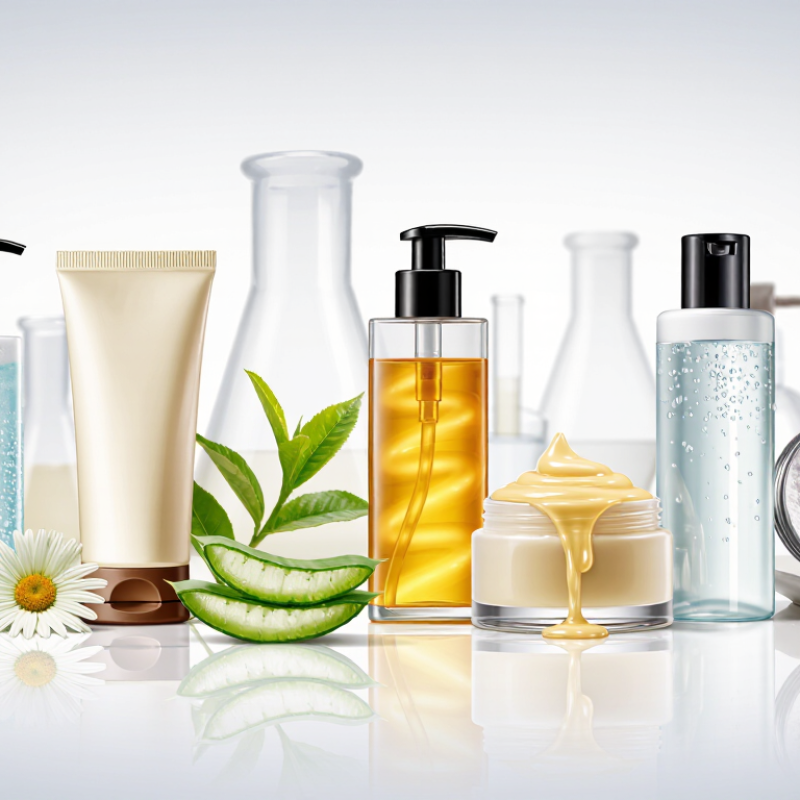
Choosing an OEM Facial Cleanser in 2026 means looking beyond a trend label. Brands may compare foaming gels, creamy washes, cleansing oils, balms, micellar waters, and powder cleansers. Each format creates a different first impression: a light foam rinses quickly, while a balm melts under warm fingertips. The right choice depends on the intended user, formula goals, and product experience.

Cosmetic chemist and educator Perry Romanowski’s work offers a useful principle, paraphrased here: “A cleanser should balance cleansing performance with the needs of its intended user.” That sounds simple. It isn’t always. A supplier’s sample may feel elegant in a lab, yet perform differently across skin types or in hard water. Ask about surfactant systems, fragrance options, stability testing, packaging compatibility, and minimum order quantities. Request documentation, too, rather than relying on a polished brochure.

This guide explores the cleanser types brands may consider for 2026, alongside their textures, use cases, and manufacturing trade-offs. It also highlights questions to ask before selecting an OEM partner. There is no universal winner. A gentle cream cleanser may suit one positioning, while a rinse-clean gel may better match another. Even a promising formula can need revision. That’s worth admitting. A thoughtful choice starts with clear product goals, transparent supplier communication, and testing with the people the cleanser is designed to serve.
What Are the Top OEM Facial Cleanser Types in 2026?

What OEM Facial Cleansers Are and How They Are Developed

An OEM facial cleanser is developed by a manufacturer to match a client’s product brief, then produced for sale under the client’s label. The brief may define skin feel, cleansing strength, scent, ingredient preferences, packaging, and target cost. These choices shape the formula. A gel cleanser, for example, may need to rinse clean without leaving a tight feeling, while a cream cleanser may prioritize a softer, more cushiony wash.

Development typically begins with selecting a surfactant system and balancing it with water, humectants, and other chosen ingredients. The team then adjusts texture, foam, fragrance, and pH, checking that the formula meets the project’s specifications. Stability testing helps assess how it responds to time and temperature changes. Packaging compatibility matters too: a pump can behave differently with a thick gel than with a fluid cleanser. Small details matter.

Samples are reviewed for feel and rinse-off, then revised when feedback or test results point to a problem. Often, it doesn’t work on the first try. A formula can look elegant in a jar but feel too slippery on damp skin; a richer foam may also leave some users wanting a gentler wash. Clear records of revisions and quality checks make the process more reliable. The final choice should reflect the intended user and evidence from testing, not just a pleasing sample or a fashionable ingredient.

How Facial Cleansers Are Classified by Form and Texture

Facial cleansers are commonly classified by form and skin feel. Gel cleansers have a clear, slippery body and usually rinse clean. Foams feel airy, while cream and milk formats offer a softer glide. Oil and balm cleansers spread slowly, then emulsify with water. Micellar liquids stay fluid and are often applied with cotton pads. Small differences matter. A thick gel can still foam, depending on its surfactant blend and directions for use.

For OEM development, texture is more than a sensory label. It affects dispensing, rinse time, residue, and performance during shipping or bathroom use. Foaming pumps need compatible packaging; balms need a stable structure in a jar or tube. Skin type can guide product positioning, but it cannot replace stability and mildness testing. Labels can blur.

Grand View Research valued the global facial cleanser market at about USD 13.2 billion in 2023. It projected a 5.4% compound annual growth rate from 2024 to 2030. The report covers the overall market, not a universal split between gels and creams. OEM teams should avoid treating texture shares as settled fact. Instead, test prototypes under realistic conditions: one pump, wet hands, and a full rinse. A pleasing first touch can distract from the after-feel.

What Are the Top OEM Facial Cleanser Types in 2026? - How Facial Cleansers Are Classified by Form and Texture

Cleanser Type Form and Texture How It Cleanses Common Consumer Fit Typical OEM Formulation Considerations Common Use
Gel Cleanser Clear or translucent gel; lightweight, fluid to cushiony texture. Usually uses water and surfactants to lift and rinse away everyday soil, oil, and residue. Often chosen by people who prefer a fresh-rinsing feel; suitability depends on the surfactant system and full formula. Gel thickness, foam level, rinse feel, and compatibility with fragrance, color, and other ingredients may be adjusted. Applied to damp skin and rinsed with water.
Foaming Cleanser May dispense as a liquid that lathers, a pre-foamed pump product, or a concentrated foam-producing formula. Surfactants help disperse and remove oil and water-soluble residue; the foam itself does not determine cleansing strength. Often preferred by consumers who enjoy a noticeable lather. Mildness depends on the formula, not simply the amount of foam. Foam density, bubble stability, surfactant selection, and dispenser compatibility are key development factors. Typically used with water; follow the product’s directions.
Cream Cleanser Opaque, richer cream with a soft, dense texture; may be rinse-off or designed for wiping away. Combines cleansing agents with a creamy base to loosen surface impurities and provide a less watery application feel. Often considered by consumers seeking a richer texture or a gentler-feeling cleansing experience; individual results vary. Emulsion stability, spreadability, rinseability, and the balance between cleansing and residual skin feel need assessment. Used according to directions, either rinsed or removed with a soft cloth or cotton pad.
Milk or Lotion Cleanser Light, fluid emulsion; typically thinner and more pourable than a cream cleanser. Emulsifiers and cleansing agents help lift everyday makeup, sunscreen residue, and surface impurities. May suit consumers who prefer a light, low-lather texture. Performance varies with the formula and the type of residue being removed. Viscosity, emulsion stability, residue after use, and whether the product is rinse-off or wipe-off should be defined. Massaged over the skin and rinsed or removed as directed.
Cleansing Oil Fluid oil; ranges from lightweight and fast-spreading to more substantial. Oil-phase ingredients help dissolve oil-soluble makeup, sunscreen, and sebum; emulsifiers can help the product rinse away with water. Commonly used as a first cleanse, including by people wearing makeup or water-resistant sunscreen. Rinse-off emulsification, spread, eye-area comfort, and the after-feel are important formulation and testing considerations. Usually massaged onto dry skin, emulsified with water, then rinsed.
Cleansing Balm Semi-solid balm that softens or melts into an oil-like texture with warmth and massage. Oil-based ingredients loosen makeup and other oil-soluble residue; rinse-off balms commonly include emulsifiers. Often selected for makeup removal or as the first step in a double-cleansing routine. Melting point, scoopability, stability in different temperatures, rinse behavior, and packaging compatibility require attention. Applied to dry skin, massaged, emulsified with water if directed, and rinsed.
Micellar Water Watery, low-viscosity liquid, usually designed for use on a cotton pad. Surfactant molecules form micelles in water that can help capture and remove some surface oil and residue. Convenient for light cleansing or makeup removal when a rinse-off cleanser is not preferred; removal needs depend on use and formula. Surfactant choice, clarity, preservation, eye-area comfort, and whether rinsing is recommended should be evaluated. Applied with a cotton pad; rinse or leave on according to the product directions.
Powder Cleanser Dry, free-flowing powder that forms a paste or light lather when mixed with water. Water activates the cleansing system; some formulas also contain physical exfoliating particles, which should be clearly distinguished in product positioning. Appeals to consumers seeking a water-activated format or compact, travel-friendly packaging. Moisture protection, powder flow, dose control, activation behavior, and particle size (if present) are important design factors. Mixed with water in the hands, applied gently, and rinsed thoroughly.

OEM specifications should be confirmed through formula testing, packaging compatibility checks, and applicable local cosmetic regulations. Skin suitability and cleansing performance depend on the complete formulation and individual use.

The Main OEM Facial Cleanser Types Available in 2026

OEM facial cleanser ranges in 2026 often include gel, foam, cream, oil, micellar, and powder formats. Each gives a different cleansing experience. Gel cleansers spread lightly and rinse clean, while cream cleansers feel richer and may suit customers who dislike a tight after-feel. Foam formats create a quick, airy lather. The finished feel depends on the full formula, not the texture alone.

Oil and balm cleansers are commonly designed to loosen makeup and sunscreen before rinsing. Micellar cleansers offer a liquid, wipe-on option, though some users prefer to rinse afterward. Powder cleansers stay compact during shipping and become lather when mixed with water. Small detail, big difference. The right format depends on intended use, packaging, fragrance preferences, and the level of foam a customer expects.

For an OEM brief, specify the cleanser type, target feel, dispensing format, and rinse-off preference. Ask for samples and assess them on damp skin, not just by looking at the formula. Check whether the cleanser rinses without a slippery film or an uncomfortable squeak. That sounds obvious, yet it is easy to overlook. A product description can promise a gentle feel, but user experience varies. Testing with a range of users can reveal mismatches before production, although no single sample represents everyone.

What Are the Top OEM Facial Cleanser Types in 2026?

The Main OEM Facial Cleanser Types Available in 2026

Indicative formulation target ranges for common water-based cleanser formats—not universal specifications or market-share data. Actual pH varies by formula. Anhydrous oil cleansers and balms have no applicable pH unless measured after mixing with water.

How Skin Needs Shape Cleanser Formulation Choices

Skin needs should guide cleanser design more than trend labels. An oily T-zone may benefit from a light gel that rinses clean without leaving a tight feel. Dry or mature skin often prefers a cream cleanser with mild surfactants and a softer finish. That distinction matters.

Sensitive skin calls for a cautious formula: fewer potential irritants, restrained fragrance, and clear testing standards. Micellar cleansers can offer a low-friction option, while oil cleansers help loosen sunscreen and long-wear makeup. Balm and powder formats serve different preferences, but texture alone does not prove suitability. Read the full ingredient list. A gentle cleanser should clean without leaving persistent stinging or redness.

For OEM development, teams can match cleanser type to a defined user group, climate, and daily routine. A foaming gel may suit humid conditions, while a richer cream can feel more comfortable in colder weather. Still, skin responses vary, and labels such as “for sensitive skin” are not guarantees. Test prototypes for rinse feel, eye-area comfort, and repeated use. Sometimes a simpler formula performs better, though it may feel less impressive in a quick product demo. That trade-off deserves an honest review.

How to Compare OEM Cleanser Types for Product Development

OEM cleanser selection starts with the cleansing task, not the texture. A foaming gel suits a quick rinse-off routine; a cream cleanser can support a low-foam experience. Oil cleansers help dissolve makeup and sunscreen, while micellar formats suit lighter cleansing needs. Compare the surfactant blend, target pH, viscosity, rinse feel, and preservative system. Then test the formula in the actual pump, tube, or flip-top cap. Small details matter.

Grand View Research’s Facial Cleanser Market Size, Share & Trends Analysis Report valued the global market at USD 13.4 billion in 2023 and projected a 5.5% compound annual growth rate from 2024 to 2030. That forecast signals commercial scale, not proof that one cleanser type will outperform another. Ask OEM partners for stability, freeze-thaw, packaging-compatibility, and user-test records before choosing a format. A formula may look elegant in a lab beaker yet string from a pump or leave skin feeling tight. That gap is easy to underestimate.

For sensitive-skin concepts, review fragrance choices and cleansing strength, and define what “gentle” means through appropriate testing. Compare pilot batches on damp skin, with consistent amounts and rinse times. Record residue, eye-area comfort, and how easily the cleanser rinses away. A useful brief also states target cost, minimum order quantity, and packaging needs. Even then, one trade-off may remain: a richer after-feel can appeal to some users but feel heavy to others.

FAQS

What is an OEM facial cleanser?

A manufacturer develops and produces it to match a client’s product brief. The brief can specify texture, scent, cleansing feel, packaging, and target cost.

How is an OEM cleanser formula developed?

Teams select a surfactant system and balance it with water and other chosen ingredients. They adjust texture, foam, fragrance, and pH, then review samples and test results. It may take several revisions.

What cleanser formats are commonly available?

Common formats include gel, foam, cream, oil, balm, micellar liquid, and powder. Each feels and dispenses differently. Small details matter.

Does a gel cleanser always produce little foam?

No. Its foam depends on the surfactant blend and directions for use. A clear, slippery gel can still lather.

How should a cleanser sample be evaluated?

Try it on damp skin with wet hands. Check how it spreads, rinses, and feels afterward. A good-looking sample can still feel too slippery.

Why does packaging compatibility matter?

Thick gels may behave differently in pumps than fluid cleansers. Foaming pumps need compatible formulas, while balms need stable jars or tubes. Test the actual package.

Are cleanser formats matched to skin type?

Skin type can guide product positioning, but it cannot replace mildness and stability testing. People may react differently to the same formula. No sample represents everyone.

What should an OEM product brief include?

Specify the cleanser format, target skin feel, dispensing method, scent preferences, and rinse-off preference. Test prototypes in realistic conditions, not just by appearance.

Conclusion

In 2026, OEM Facial Cleanser development brings together a product’s intended use, texture, ingredients, and manufacturing requirements. Cleansers can be grouped by form, including gels, foams, creams, milks, oils, balms, and micellar liquids. Each type offers a different cleansing feel and level of richness, so choosing a format is an important early step in shaping a product concept.

Formulation choices should reflect the needs of the intended users, such as a preference for a lightweight rinse, a creamy feel, or gentle everyday cleansing. When comparing cleanser types for product development, consider skin feel, cleansing performance, ingredient compatibility, packaging, and the desired user experience. A clear understanding of these factors can help teams select a format and develop a cleanser that fits their product goals.

Ethan

Ethan

Ethan is a dedicated marketing professional with a strong understanding of the company’s products, customers, and industry landscape. Through a combination of market research, strategic planning, and clear communication, he helps present practical solutions that address real business needs. His......