
Industry Insights & OEM News
ORIZI Group Blog
Discover formulation guides, manufacturing advice, and market trends for health & beauty.

Nutritional Innovations
Supplements & Functional Food
Expert articles on formulation science, ingredients, and industry regulatory updates.
Beauty & Skincare Trends
Cosmetics & Skincare Insights
Stay updated on viral ingredients, cosmetic packaging, and brand building strategies.

Personal Care Formulation
Daily Essentials Guide
In-depth guides on creating high-demand body, hair, and personal care products.
Fragrance Crafting
Essential Oils & Perfume
Insights on fine fragrance formulation and custom scent development.
Home & Pet Care OEM
Safe & Effective Solutions
Exploring eco-friendly household detergents and pet grooming formulas.
Medical Device OEM
Compliance & Quality
Understanding MDA licensing, ISO 13485 standards, and medical gel formulation.

Executive Summary: Navigating China Wholesale OEM Probiotic Capsule Manufacturing
The global demand for human gut microbiota intervention products has escalated from traditional digestive health maintenance to complex systemic wellness applications, including the brain-gut axis, psychobiotics, metabolic balance, and targeted immune modulation. As brand owners search for reliable China Wholesale OEM Probiotic Capsules Factories & Suppliers, the criteria for selecting contract manufacturing partners have shifted dramatically. Procurement officers, nutraceutical brand directors, and healthcare enterprise buyers no longer evaluate suppliers solely on per-unit cost. Instead, technical validation, microencapsulation strain survival rate, water activity ($a_w$) control, low-temperature hard capsule filling capability, and international certification infrastructure form the baseline of modern contract manufacturing.
This comprehensive B2B buyer guide and industry whitepaper provides operational intelligence for brands seeking to formulate, batch-test, and commercialize custom probiotic capsules, synbiotic blends, and bio-active nootropic adaptogen formulations. Integrating over two decades of enterprise manufacturing infrastructure, robust quality management systems (GMP, ISO 22000, ISO 13485, JAKIM Halal, and US FDA registration), and advanced R&D pipelines, this guide establishes the standards required to build market-dominating dietary supplement lines.
Enterprise Manufacturing Infrastructure & Technical Capabilities
Operating as a multi-divisional industrial collective with 6 specialized subsidiary enterprises, our integrated contract manufacturing ecosystem bridges raw material bio-fermentation, strain stabilization, automated encapsulation, and compliant packaging. Designed for global brand scalability, our facilities accommodate low-MOQ startup launches through our Ready-to-Brand (R2B) program up to high-speed mass production output exceeding 60,000 commercial units per day.
Probiotic Capsule Manufacturing Trends & Innovation Drivers (2025–2030)
The probiotic sector is undergoing a profound paradigm shift. Simple single-strain high-CFU formulations are rapidly being replaced by target-specific synbiotic complexes and postbiotic matrices. Contract manufacturers in China have upgraded their infrastructure to support next-generation bio-technological trends:
1. The Brain-Gut Axis & Nootropic Synbiotics (Psychobiotics)
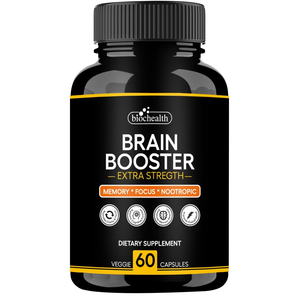
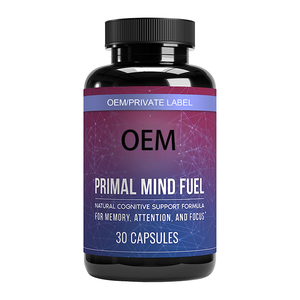
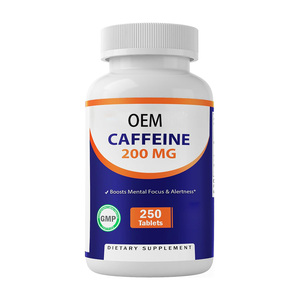
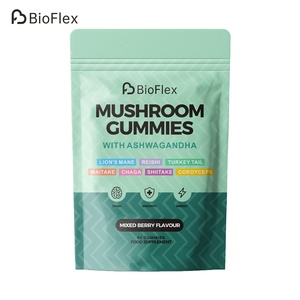
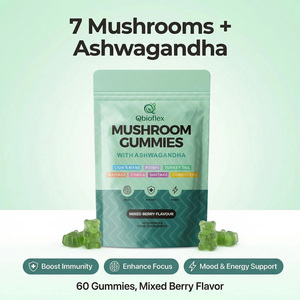
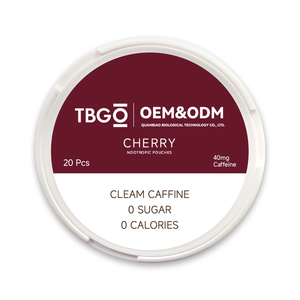
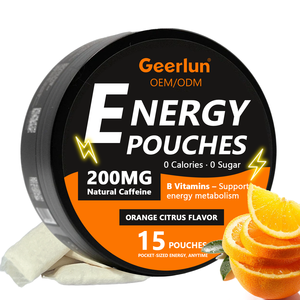
Scientific validation of the bidirectional communication between the central nervous system and the gastrointestinal microbiome has opened vast commercial opportunities. Premium OEM formulations now combine clinically studied strains such as Lactobacillus plantarum DR7 and Bifidobacterium infantis with neuro-active botanical adaptogens, including Lion's Mane mushroom extract (*Hericium erinaceus*), Ashwagandha (*Withania somnifera*), L-Theanine, and natural anhydrous caffeine. This dual-action approach enhances cognitive performance, focus, and stress resilience while simultaneously stabilizing intestinal permeability.
2. Heat-Treated Postbiotics & Spore-Forming Bacteria
While live probiotic strains require strict moisture controls, heat-sterilized postbiotics (inactivated cells and their metabolic byproducts, such as short-chain fatty acids) and spore-forming *Bacillus coagulans* or *Bacillus subtilis* offer extreme resistance to thermal processing and low pH. Chinese contract suppliers are increasingly incorporating heat-treated cell walls into hard capsule matrix formulations to deliver immune support without shelf-life deterioration in warm, humid export destinations.
3. Plant-Based Enteric Coating & Clean-Label Veggie Capsules
Global consumers actively reject synthetic chemical coatings, phthalates, and animal-derived gelatin. High-tier China OEM suppliers have transitioned entirely to hypromellose (HPMC) and gellan gum-based delayed-release vegetarian capsules. These shell formulations resist stomach acid for up to 45 minutes, dissolving specifically upon reaching the alkaline pH (pH > 6.8) of the small intestine and colon.
Technical Comparison: Probiotic Capsule Shell Systems & Protective Technologies
To assist B2B procurement managers in selecting the optimal dosage deliverable, the matrix below highlights performance metrics across leading capsule protection systems manufactured in our cleanroom facilities:
| Capsule System / Technology | Target Release Zone | Acid Resistance (pH 1.2 - 2.0) | Water Activity ($a_w$) Limit | Ideal Commercial Applications |
|---|---|---|---|---|
| Delayed-Release HPMC (Veggie) | Duodenum / Jejunum | 45 – 60 Minutes | < 0.15 | Standard Multi-Strain Probiotics, Synbiotics |
| Acid-Resistant Gellan Gum DRCaps | Ileum / Colon | 90 – 120 Minutes | < 0.12 | Targeted Gut-Brain Axis, High-CFU Formulations |
| Microencapsulated Lipid Beadlets in Cap | Colon Target | 120+ Minutes | < 0.10 | Premium Clinical Strains, Moisture-Sensitive Enzymes |
| Standard Gelatin Capsule | Stomach / Upper GI | < 15 Minutes | < 0.25 | Basic Spore-Formers (*Bacillus*), Non-viable Postbiotics |
Procurement Trends & Sourcing Analysis for Global Wholesale Buyers
Sourcing contract dietary supplements from China requires a structured approach to verification, compliance, and supply chain logistics. Brand owners must establish rigorous protocol standards during vendor evaluations to protect brand equity and avoid regulatory detentions.
A. Over-Formulation & Input vs. Output CFU Guarantees
Inexperienced buyers frequently confuse "CFU at manufacture" with "CFU at expiry." Reputable contract factories apply a calculated strain overage (typically 15% to 30% above the label claim) during compounding to compensate for natural potency degradation over time. Buyers should mandate that suppliers state both the input CFU count during encapsulation and the guaranteed live strain count at the end of the shelf life under ICH stability conditions (25°C / 60% RH).
B. Primary Packaging Integrity & Moisture Barriers
Capsule formulation represents only half the challenge; moisture transmission through primary packaging can compromise product efficacy within months. Advanced OEM factories provide specialized packaging configurations, including:
- Alu-Alu Cold-Formed Blister Sheets: Zero moisture vapour transmission rate (MVTR), providing ultimate individual capsule protection.
- Desiccant-Sleeve HDPE Bottles: Molecular sieve technology embedded directly into bottle walls to continuously absorb ambient humidity upon consumer opening.
- Nitrogen-Purged Stick Pouches: Eliminates residual oxygen down to < 1%, protecting bio-active lipids and oxygen-sensitive anaerobic strains.