
Industry Insights & OEM News
ORIZI Group Blog
Discover formulation guides, manufacturing advice, and market trends for health & beauty.
Nutritional Innovations
Supplements & Functional Food
Expert articles on formulation science, ingredients, and industry regulatory updates.
Beauty & Skincare Trends
Cosmetics & Skincare Insights
Stay updated on viral ingredients, cosmetic packaging, and brand building strategies.
Personal Care Formulation
Daily Essentials Guide
In-depth guides on creating high-demand body, hair, and personal care products.
Fragrance Crafting
Essential Oils & Perfume
Insights on fine fragrance formulation and custom scent development.
Home & Pet Care OEM
Safe & Effective Solutions
Exploring eco-friendly household detergents and pet grooming formulas.
Medical Device OEM
Compliance & Quality
Understanding MDA licensing, ISO 13485 standards, and medical gel formulation.
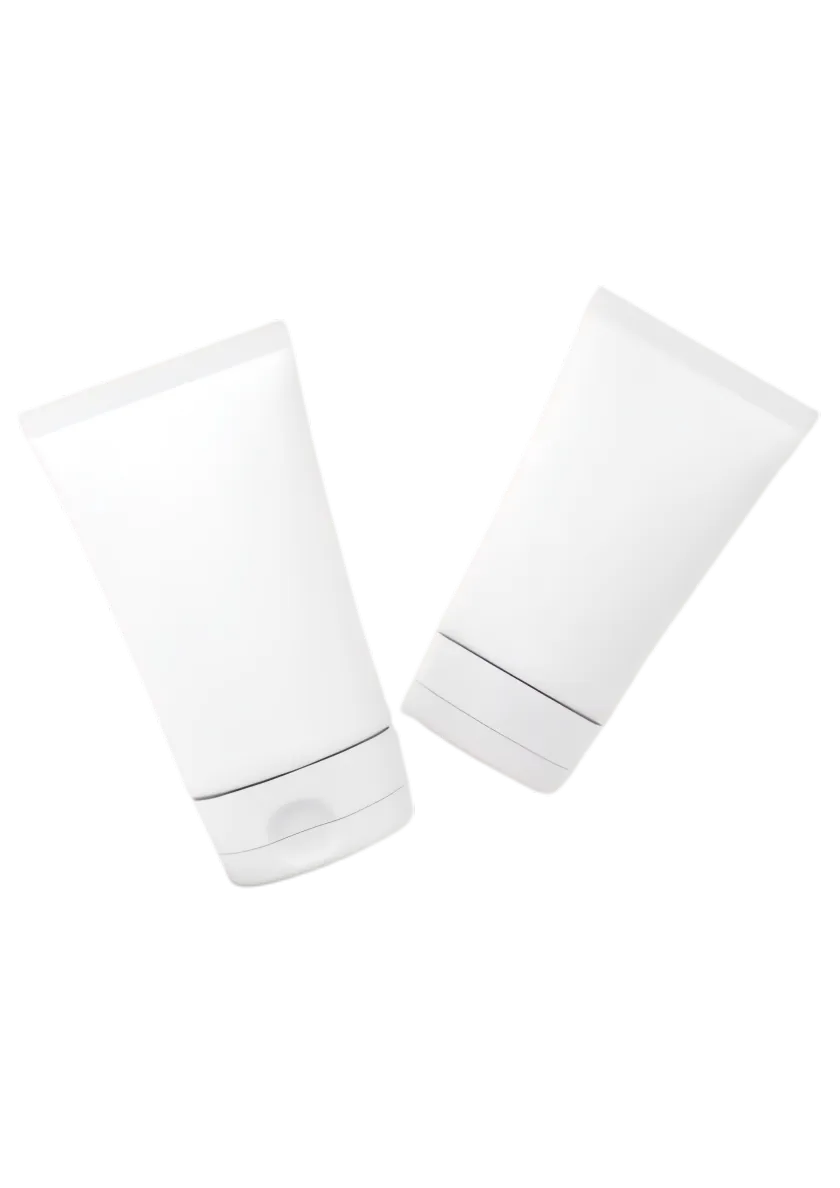
Featured Private Label Body Whitening & Nutracosmetic Formulations
Explore tier-1 contract manufacturing solutions, turn-key private label catalog items, and high-performance brightening formulations available for global brand deployment.

Melanogenesis Pathways & Active Ingredient Selection Matrix
A deep dive into how top China private label cosmetic laboratories design body whitening lotions that deliver clinically verified skin tone evening without cytotoxicity.
1. Tyrosinase Inhibition
Tyrosinase is the rate-limiting glycoprotein enzyme catalyzing the hydroxylation of L-Tyrosine to L-DOPA and its subsequent oxidation to DOPAquinone. Premium OEM whitening lotions deploy bio-actives like Alpha-Arbutin (2.0%), Kojic Dipalmitate, and Phenylethyl Resorcinol (SymWhite 377) to competitively or non-competitively bind to the enzyme's binuclear copper active site.
2. Melanosome Transfer Blockade
Inhibition of melanin synthesis alone is insufficient for rapid cutaneous whitening. Formulations must block the dendrite-mediated transfer of mature melanosomes from melanocytes to neighboring keratinocytes. High-purity Niacinamide (Vitamin B3 at 3%-5%) effectively interrupts cell-to-cell signaling pathways, resulting in visible pigment reduction within 14 to 28 days of daily application.
3. ROS Neutralization & Desquamation
Ultraviolet (UV) radiation generates Reactive Oxygen Species (ROS) that trigger inflammatory cascades (alpha-MSH upregulation). Incorporating liposomal Glutathione, Ascorbyl Tetraisopalmitate, and mild alpha-hydroxy acids (Lactic/Glycolic Acid) neutralizes oxidative stress while accelerating dark cell turnover at the stratum corneum.
B2B Formulation Active Benchmark Comparison Matrix
| Active Ingredient | Primary Target Mechanism | Recommended OEM Concentration | Stability Profile | Regulatory Status (EU / FDA / China) |
|---|---|---|---|---|
| Niacinamide (PC Grade) | Melanosome Transfer Blockade | 3.0% - 5.0% | High (pH 5.0 - 7.0 stability) | Compliant globally; safe for daily body use. |
| Alpha-Arbutin | Competitive Tyrosinase Inhibition | 1.5% - 2.0% | Moderate (Avoid high heat >60°C) | EU SCCS capped at 2% for face, 0.5% for body (re-evaluation compliant). |
| Tranexamic Acid (TXA) | Plasmin / Inflammatory Cascade Reduction | 2.0% - 3.0% | High heat and light stability | Approved; OTC special cosmetics registration required in China/Japan. |
| SymWhite 377 | Potent Tyrosinase Active-Site Binding | 0.1% - 0.5% | Sensitive to oxidation (requires chelators) | Strict concentration limits; highly effective at low dosages. |
| Glutathione (Reduced) | Eumelanin to Pheomelanin Switch & Antioxidant | 0.5% - 1.0% | Low (Requires nano-encapsulation) | Widespread approval; widely specified in Southeast Asia & Middle East. |
How to Evaluate & Audit China Private Label Cosmetic Factories
Navigating OEM/ODM manufacturing ecosystems in Guangzhou, Zhejiang, and Shanghai requires rigorous technical due diligence. Ensure your manufacturing partner meets international pharmaceutical and cosmetic standards.
1. Cleanroom Environment & Automated Emulsification
Body whitening lotions are oil-in-water (O/W) or water-in-oil (W/O) emulsions requiring precise homogenization to prevent phase separation. Benchmark China factories utilize:
- ISO Class 8 (100,000 Grade) Cleanrooms: Positive pressure HEPA air filtration system to eliminate micro-particulates during filling.
- Vacuum Emulsifying Mixers: High-shear homogenization at 3,000+ RPM under negative pressure (-0.09 MPa) to yield droplet sizes below 2 microns for superior cutaneous absorption.
- Deionized Reverse Osmosis Water Treatment: EDI water systems maintaining conductivity below 0.1 µS/cm to prevent trace metal catalytic oxidation.
2. Quality Certifications & Global Regulatory Compliance
Cross-border distribution demands total adherence to destination market cosmetic legislation. Verify your contract manufacturer possesses the following core credentials:
- ISO 22716 & GMPC (US FDA): Good Manufacturing Practices governing raw material traceability, batch production records (BPR), and sanitation.
- JAKIM Halal Certification: Essential for export into Malaysia, Indonesia, and GCC Middle Eastern cosmetics markets, guaranteeing animal-cruelty-free and pork-free lipid sources.
- SEDEX SMETA Audits: Ethical trade auditing covering labor standards, health and safety, and environmental stewardship.
Enterprise OEM/ODM Strengths & One-Stop Manufacturing Solutions
Partnering with a mature industrial group grants brand owners seamless integration across formula custom modification, primary packaging sourcing, regulatory filing, and rapid mass production.
Custom R&D & Free Sampling
In-house cosmetic chemists formulate tailored textures—from light gel-lotions to rich velvet body milks. Enjoy rapid prototype turnaround in 3–5 working days with unlimited formulation adjustments until sensory and efficacy standards are achieved.
Packaging & Design Services
Complete structural packaging engineering including airless pump bottles, eco-friendly post-consumer recycled (PCR) plastics, aluminum tubes, and custom silk-screen/hot-stamping printing options aligned with luxury brand positioning.
Regulatory Filing Support
Comprehensive technical dossier generation including Safety Assessment Reports (CPSR), Safety Data Sheets (SDS), Stability & Compatibility Testing, Challenge Testing (USP <51>), and China NMPA special cosmetics registration guidance.
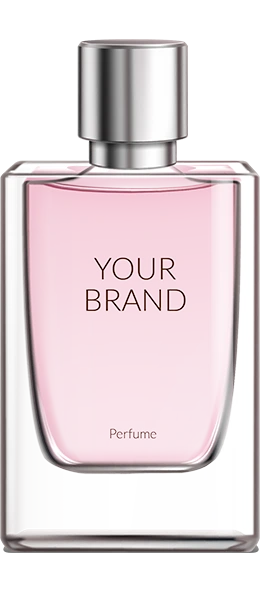
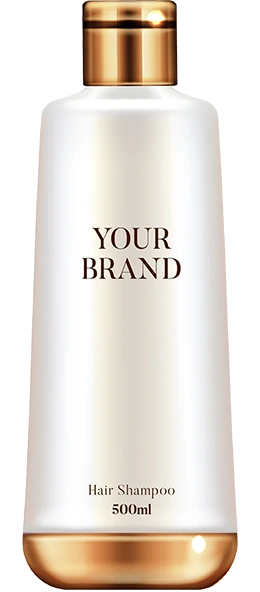
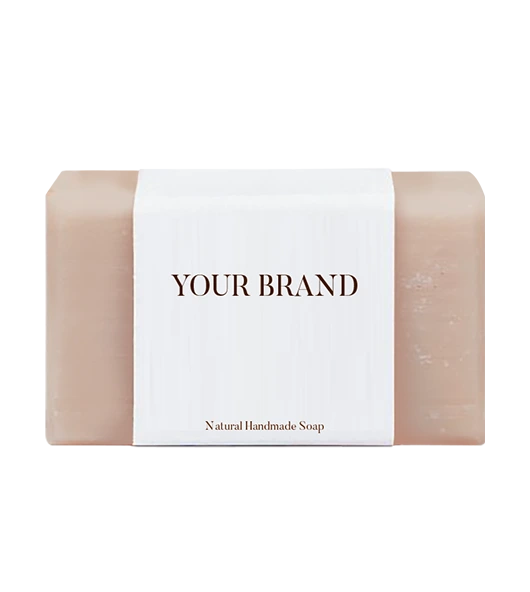
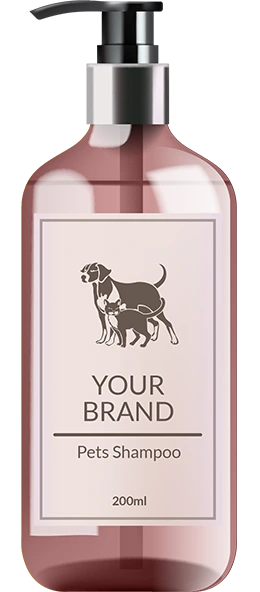
State-of-the-Art Factory & Product Portfolio Gallery
Excellence across skincare, cosmetic packaging, body care, and specialized wellness products.
Future Trends in Private Label Body Whitening Lotion Manufacturing
Macro cosmetic shifts, sustainable chemistry mandates, and evolving global consumer demands are redefining private label sourcing criteria for 2026 and beyond.
1. Shift Towards Clean-Label & Bio-Fermented Actives
Global buyers are transitioning away from harsh synthetic bleaching agents like Hydroquinone and Monobenzone (which face global regulatory bans) toward natural, bio-fermented active ingredients. Bio-engineered plant exosomes, yeast ferment filtrates, and micro-algae extract complexes are rapidly taking center stage. Brands specifying bio-fermented actives can command higher retail price points while marketing clean, non-toxic brightening credentials.
2. Advanced Liposomal & Micro-Encapsulation Technology
Un-encapsulated actives such as L-Ascorbic Acid or Glutathione rapidly degrade upon contact with oxygen and sunlight, causing product yellowing and loss of efficacy. Modern contract manufacturers are heavily investing in multi-layered liposome and solid lipid nanoparticle (SLN) technology. Encapsulation shields sensitive actives, prevents premature oxidation in translucent packaging, and facilitates sustained dermal release over 12 hours.
3. Dual-Benefit: Brightening + Skin Barrier Repair
Consumers no longer accept skin whitening products that strip moisture or induce peeling. The future of body whitening lotions lies in hybrid formulas that integrate skin barrier restoration components—such as multi-molecular Hyaluronic Acid, 5-Ceramide complexes, Ectoin, and Centella Asiatica (CICA). This guarantees intense hydration and barrier reinforcement alongside active melanogenesis inhibition.
4. Sustainable B2B Supply Chains & PCR Packaging
ESG regulations in Europe and North America demand that B2B cosmetic supply chains document their carbon footprint. Leading China private label factories are incorporating eco-certified emulsifiers, cold-process manufacturing methods (reducing energy consumption by up to 40%), and offering 30% to 100% Post-Consumer Recycled (PCR) PET/HDPE packaging options for body lotion containers.
Frequently Asked Questions (FAQ) for Global Buyers
Clear, definitive answers to technical, logistical, and commercial inquiries when procuring private label body whitening lotions from China contract manufacturers.
What is the standard Minimum Order Quantity (MOQ) for custom private label body lotions?
Standard MOQs for custom formulation body whitening lotions typically start at 1,000 to 3,000 units per batch, depending on the complexity of packaging and specialized raw materials. For stock/ready-to-brand formulas using existing factory packaging, MOQs can be as low as 100 to 500 units to support initial market testing.
How do China factories ensure active ingredient stability in whitening body lotions?
Tier-1 factories perform accelerated stability testing according to ICH guidelines: samples are stored at elevated temperatures (45°C/75% RH and 50°C) for 3 months, alongside freeze-thaw cycling (-10°C to 40°C across 5 cycles) and centrifugal testing (3000 RPM for 30 mins). High-performance HPLC assay testing verifies that active concentrations (e.g., Niacinamide, Alpha-Arbutin) remain stable without degradation or phase separation.
What is the typical production timeline from R&D to delivery?
The complete OEM manufacturing timeline generally spans 25 to 35 working days following sample approval. R&D sample development takes 3–5 days; customized packaging artwork and bottle production require 15–20 days; mass emulsification, filling, and final QA clearance require 7–10 days.
Are body whitening lotions manufactured in China compliant with US FDA MoCRA and EU Cosmetics Regulations?
Yes, provided you partner with GMPC and ISO 22716 accredited facilities. Responsible manufacturers conduct safety assessments, issue full SDS and Certificate of Analysis (COA) per batch, and ensure ingredients avoid forbidden lists (such as hydroquinone or excessive heavy metals). They support global brand owners with PIF (Product Information File) compilation and US FDA MoCRA facility registration.
Can the lotion texture and fragrance be fully customized?
Absolutely. Formulation rheology can be adjusted from ultra-lightweight fast-absorbing serum lotions to rich, occlusive night creams. Fragrances can be matched to fine designer perfumes (using IFRA-compliant synthetic or natural essential oil blends) or remain 100% fragrance-free for sensitive skin positioning.
What documentation is required to register special whitening cosmetics in China (NMPA)?
Under China's NMPA regulations, skin whitening products fall under "Special Cosmetics." Registration requires human efficacy human trial testing, safety toxicology reports, ingredient source documentation, and official administrative review. Our regulatory team handles the full dossier filing for brands seeking to retail legally inside mainland China.
Ready to Launch Your Premium Body Whitening Lotion Line?
Connect with our senior cosmetic chemists and manufacturing team. Receive custom formulation samples, full product catalogs, and detailed factory pricing within 24 hours.