
Industry Insights & OEM News
ORIZI Group Blog
Discover formulation guides, manufacturing advice, and market trends for health & beauty.
Nutritional Innovations
Supplements & Functional Food
Expert articles on formulation science, ingredients, and industry regulatory updates.
Beauty & Skincare Trends
Cosmetics & Skincare Insights
Stay updated on viral ingredients, cosmetic packaging, and brand building strategies.
Personal Care Formulation
Daily Essentials Guide
In-depth guides on creating high-demand body, hair, and personal care products.
Fragrance Crafting
Essential Oils & Perfume
Insights on fine fragrance formulation and custom scent development.
Home & Pet Care OEM
Safe & Effective Solutions
Exploring eco-friendly household detergents and pet grooming formulas.
Medical Device OEM
Compliance & Quality
Understanding MDA licensing, ISO 13485 standards, and medical gel formulation.
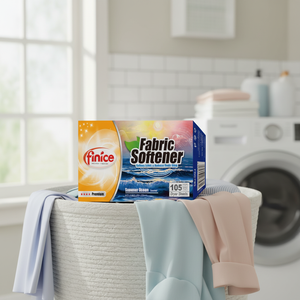
Engineered Fabric Care & Softening Concentrates
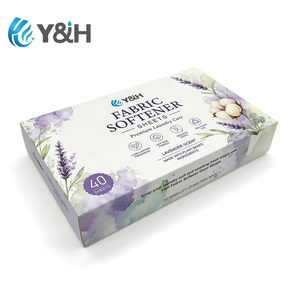
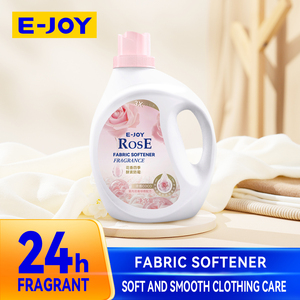
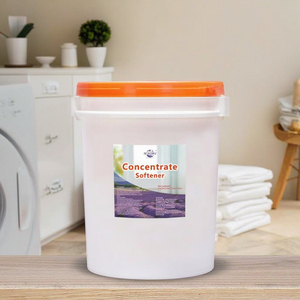
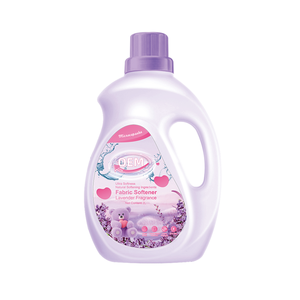
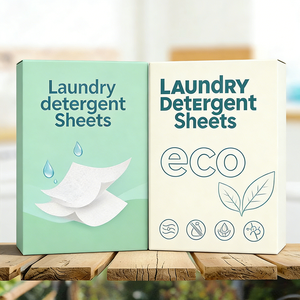
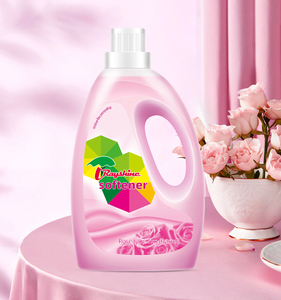
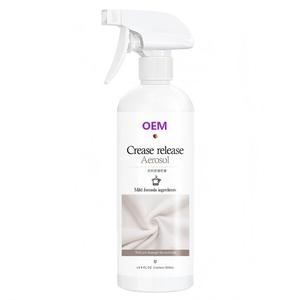
Explore our high-performance, contract-manufactured fabric softeners available in liquid concentrates, anhydrous solid sheets, static-neutralizing sprays, and eco-friendly dissolvable matrices.
Whitepaper: Advanced Chemical Engineering in High-Concentration Fabric Conditioners
The global textile and home care market is undergoing a seismic shift. Modern institutional purchasers, private label brands, and retail fast-moving consumer goods (FMCG) leaders are rapidly moving away from bulky, low-active liquid fabric softeners containing 90%+ water content. Today, high-density, eco-friendly fabric softener concentrates, solid anhydrous matrices, and specialized cationic dispersions represent the benchmark for supply chain efficiency and product superiority.
As a premiere OEM (Original Equipment Manufacturer) and ODM (Original Design Manufacturer) chemical synthesis hub, our engineering capabilities bridge molecular innovation with mass-scale commercialization. This technical synthesis explores the colloidal physics, surfactant dynamics, and economic drivers behind next-generation fabric softening technology.
Core Technical Takeaway: Transitioning from conventional 3% active liquid formulations to 15%–80% active matter concentrates cuts shipping logistics emissions by up to 72% per metric ton of active softening agent while dramatically enhancing fragrance retention and fiber lubricity.
1. Surfactant Kinetics: Esterquat Chemistry vs. Legacy Quaternaries
The primary functional component of any professional-grade fabric softener is the cationic surfactant. Historically, legacy manufacturers relied on Dialkyldimethylammonium Chloride (DHTDMAC). While effective at neutralizing static, DHTDMAC demonstrated poor aquatic biodegradability and accumulated in environmental sediment, leading to stringent regulatory restriction across Europe, North America, and ASEAN territories.
Our OEM formulations utilize advanced ester-linked quaternary ammonium salts, commonly known as Esterquats (EQ)—specifically Triethanolamine (TEA)-based diesterquats and Diisopropanolamine (DIPA)-based compounds derived from RSPO-certified palm oil and sustainable tallow fatty acids.
Rapid Biodegradability
Ester linkages within the chemical backbone provide inherent weak points for microbial enzymatic cleaving, yielding over 90% primary biodegradation within 28 days according to OECD 301B guidelines.
Zero Static Retention
Positive charged cationic head groups adsorb precisely onto negatively charged textile fibers (cotton, polyester, synthetic blends), lowering surface electrical resistance and neutralizing static cling instantly.
Colloidal Rheology Control
Proprietary electrolyte balances (Calcium Chloride salt bridging) maintain optimal lamellar liquid crystal phases, preventing gelation and phase separation even at 25%+ active solids concentrations.
2. Fiber Adsorption & Zeta Potential Modulation Mechanics
During the laundry rinse cycle, woven textiles carry a natural negative electrostatic surface charge (Zeta potential ranging from -15mV to -40mV depending on pH and detergent residue). Fabric softeners function through electrostatically driven deposition. The cationic surfactant heads anchor onto the fiber surface, projecting their hydrophobic hydrocarbon chains outward.
This molecular alignment forms a microscopic, lubricating mono-layer across the woven yarn. The primary physical benefits engineered into our contract-manufactured concentrates include:
- Coefficient of Friction Reduction: Decreases fiber-to-fiber kinetic friction by up to 65%, preventing mechanical wear during machine agitation and dramatically improving hand-feel softness.
- Moisture Transport Balance: Carefully calibrated mono- to di-ester ratios ensure fabrics remain hydrophilic, preserving moisture absorption in towels and performance athletic wear.
- Wrinkle Resistance & Easy Ironing: By preventing deep fiber entanglement during high-speed spin cycles, garments exhibit less creasing, reducing ironing force requirements by over 40%.
3. Microencapsulation & Controlled-Release Fragrance Delivery
One of the primary differentiators in consumer fabric care selection is fragrance longevity. Unencapsulated perfume oils applied to rinse cycles mostly wash down the drain or evaporate rapidly during tumble drying. Our factory utilizes multi-stage microencapsulation technology to lock fragrance molecules inside polymeric and plant-derived micro-shells.
| Encapsulation Shell System | Trigger Mechanism | Fragrance Retention (Days) | Sustainability Profile |
|---|---|---|---|
| Formaldehyde-Free Silica Shells | Friction / Physical Touch | Up to 90 Days | 100% Non-Toxic & Inert |
| Chitosan-Crosslinked Wall | Enzymatic / Moisture Action | 30–45 Days | Bio-based & Compostable |
| Polyurea Micro-Matrix | Heat & Pressure (Ironing/Wear) | 60 Days | Compliant with EU Microplastics Regulation |
As clothes are worn or handled, mechanical pressure ruptures individual micro-capsules, releasing bursts of fresh perfume over weeks of storage. This dual-action aroma profile combines immediate top-note fragrance out of the bottle with long-lasting burst technology during consumer wear.
Global Procurement Trends: The 2025–2030 Fabric Care Blueprint
Procurement directors and brand owners face rising logistics costs, stringent environmental mandates, and changing consumer preferences. Navigating the fabric care market over the next decade requires partnering with an OEM manufacturer capable of engineering future-proof product architectures.
1. Anhydrous & Zero-Water Formulations
Water accounts for 85–92% of traditional retail liquid softeners. Global brands are pivoting to dissolvable laundry sheets, solid softener bars, and ultra-dense concentrates to eliminate plastic jug waste and cut international freight expenses by up to 80%.
2. Clean-Label & Microbiome Safety
Consumers actively avoid quaternary compounds synthesized with toxic contaminants, artificial dyes, and parabens. Modern formulations demand hypoallergenic, dermatologically tested, plant-based surfactant bases safe for infant apparel and sensitive skin.
3. Multi-Functional 4-in-1 Performance
Single-claim softeners are being replaced by multi-benefit fabric conditioners that combine softening, 99.9% antibacterial pathogen control, anti-pilling enzymatic defense, and instant color-locking UV filters into a single dosing cap.
Integrated OEM Ecosystem & Corporate Manufacturing Strengths
Operating as an integral part of the ORIZI Group manufacturing ecosystem, our facilities synthesize deep chemical manufacturing expertise with high-volume production speed. Built over 20 years of continuous chemical R&D, our unified industrial infrastructure spans 6 specialized subsidiary companies organized across 3 core divisions.
JAKIM Halal Certified
Full compliance with stringent Islamic purity guidelines, guaranteeing zero animal-tallow contaminants and clean-chain alcohol-free manufacturing for global ASEAN and Middle Eastern markets.
ISO 9001 & ISO 14001 Accredited
Certified Quality Management and Environmental Safety Systems ensuring batch-to-batch chemical precision, low-energy cold-process compounding, and strict eco-effluent filtration.
GMP & NPRA Listed Facilities
Good Manufacturing Practice certified cleanrooms and automated liquid/sheet filling lines operating to pharmaceutical-grade cleanliness standards.
ISO 13485 & MDA Licensed
Medical-grade quality assurance infrastructure across our group companies, permitting production of specialized sanitizing and antibacterial fabric conditioners for healthcare sectors.
SEDEX-SMETA Audited Governance
Fully compliant ethical supply chain sourcing, fair labor practices, and audited corporate social responsibility for major global enterprise retailers.
5,000+ Proprietary Formulas
An extensive library of pre-tested, market-validated formulations for rapid commercialization, custom scent profiling, and tailor-made viscosity adjustments.
Ready to Engineer Your Private Label Fabric Care Line?
Collaborate with our chemical engineers and private label strategy team to request custom formulations, free physical samples, and complete wholesale pricing schedules.
Frequently Asked Questions (FAQ) for B2B Sourcing & Contract Manufacturing
Find authoritative answers regarding our manufacturing processes, formulation customizations, quality control, minimum order quantities (MOQ), and shipping specifications.
- Ready2Brand (R2B) Pathway: Low MOQs starting from 500 units utilizing stock formulas and standard packaging.
- Custom Chemical OEM / ODM: Standard production runs start at 3,000 Liters for bulk liquids or 10,000 retail units for custom packaging and scent profiles.
- Dissolvable Softener Sheets: Standard MOQs start at 5,000 retail boxes (custom sheet counts and box packaging).