Industry Insights & OEM News
ORIZI Group Blog
Discover formulation guides, manufacturing advice, and market trends for health & beauty.
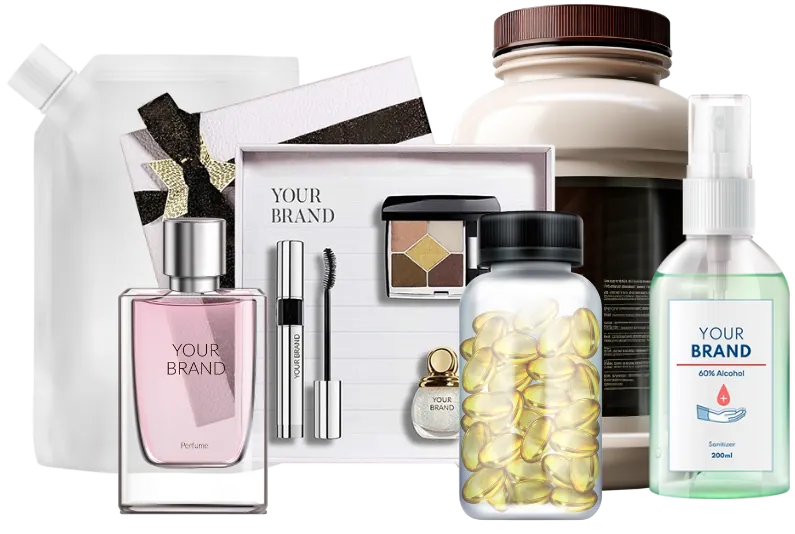
Nutritional Innovations
Supplements & Functional Food
Expert articles on formulation science, ingredients, and industry regulatory updates.
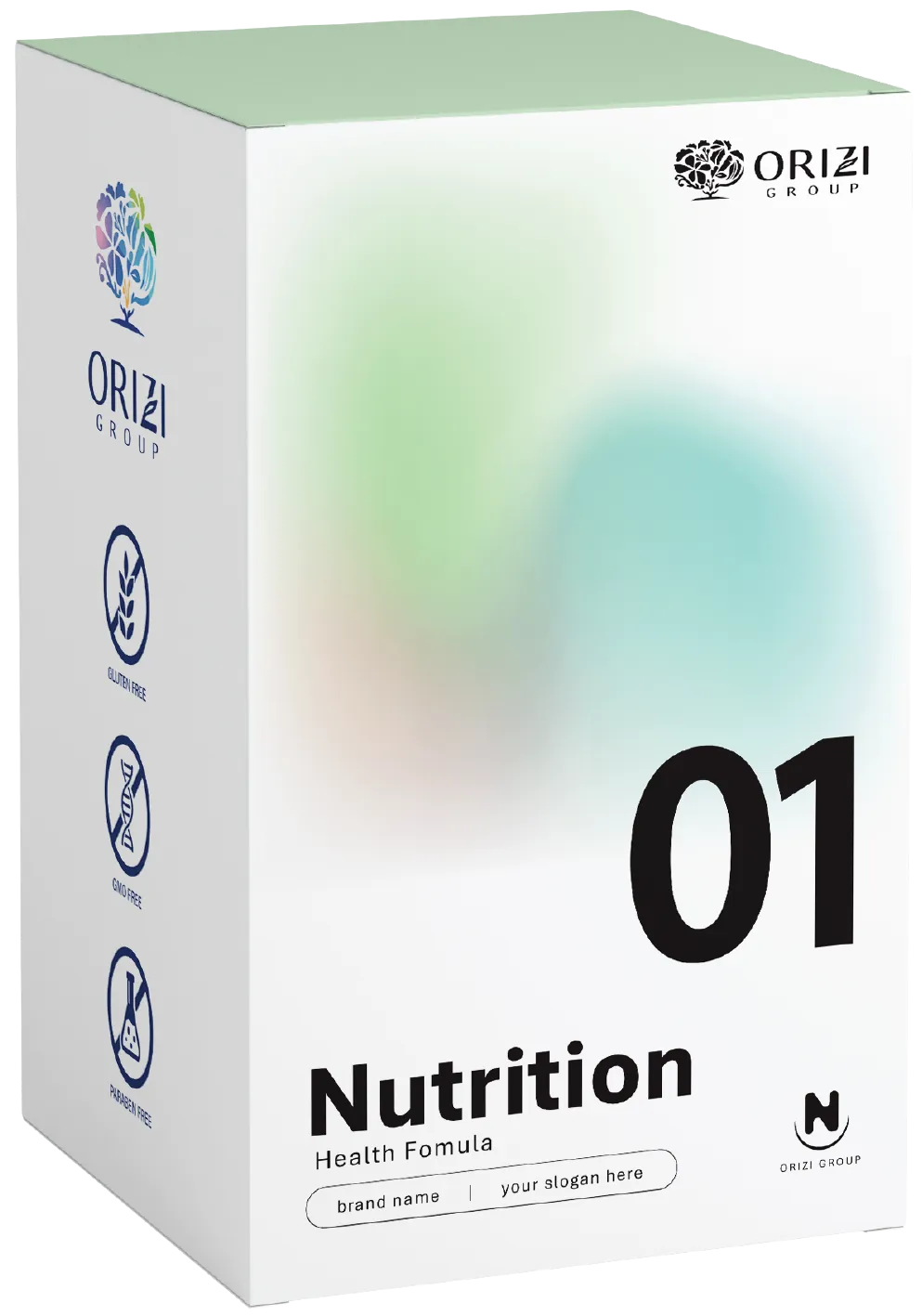
Beauty & Skincare Trends
Cosmetics & Skincare Insights
Stay updated on viral ingredients, cosmetic packaging, and brand building strategies.
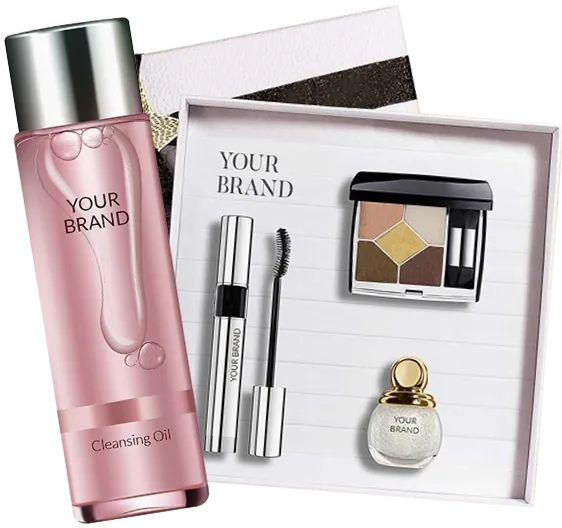
Personal Care Formulation
Daily Essentials Guide
In-depth guides on creating high-demand body, hair, and personal care products.
Fragrance Crafting
Essential Oils & Perfume
Insights on fine fragrance formulation and custom scent development.
Home & Pet Care OEM
Safe & Effective Solutions
Exploring eco-friendly household detergents and pet grooming formulas.
Medical Device OEM
Compliance & Quality
Understanding MDA licensing, ISO 13485 standards, and medical gel formulation.
Featured Private Label & OEM Product Portfolio
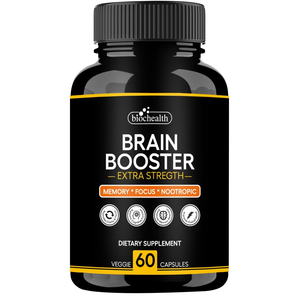
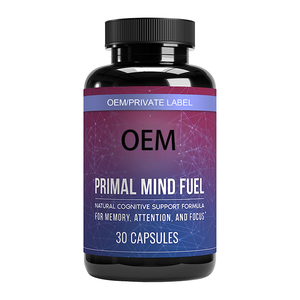
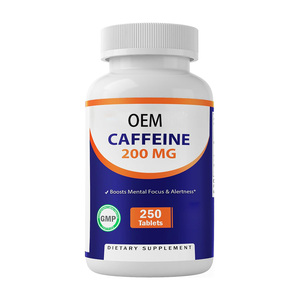
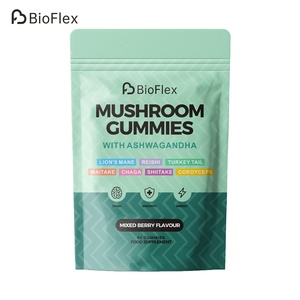
Explore our medical-grade dermatological formulations, custom-packaged topical silicones, and complementary health formulations designed for rapid market penetration in Riyadh and the GCC region.

Core OEM Manufacturing Pillars for Saudi Arabia
Why leading clinical distributors, hospital networks, and digital cosmeceutical brands in Riyadh trust our Asian manufacturing infrastructure.
SFDA-Compliant Medical Grade Silicones
Our formulations utilize medical-grade Dimethicone, Cyclopentasiloxane, and Siloxanes engineered specifically for Class I/II Medical Device compliance, facilitating smooth SFDA (Saudi Food and Drug Authority) clearance.
JAKIM Halal & ISO 13485 Certified
Manufactured in ultra-clean, accredited facilities holding JAKIM Halal certification, ISO 13485 for medical devices, NPRA GMP, and ISO 22716, guaranteeing ethical purity and surgical-grade sterility.
Climatic Stability for Riyadh (Zone IVb)
Formulated to withstand extreme ambient heat (exceeding 45°C) without phase separation, viscosity loss, or tackiness—ensuring long shelf life across pharmacies in the Central Province.
1. Executive Summary & Riyadh Market Dynamics (Saudi Vision 2030)
The healthcare and aesthetic dermatology sectors in Saudi Arabia are undergoing an unprecedented structural evolution, spearheaded by the ambitious goals of Saudi Vision 2030. Riyadh, as the political, economic, and medical heart of the Kingdom, has emerged as the premier regional hub for elective cosmetic surgery, dermatological interventions, and advanced clinical trauma care. As private hospital networks (such as Dr. Sulaiman Al Habib Medical Group, Mouwasat, and specialized aesthetic clinics across Al Olaya and Al Nakheel) expand exponentially, the strategic demand for high-performance post-procedural recovery products has escalated.
Among post-surgical skin repair therapeutics, Topical Medical-Grade Silicone Scar Gels represent the gold standard recommended by international clinical guidelines and Saudi plastic surgeons alike. Unlike traditional sheets, silicone gels offer transparent, breathable, non-occlusive, and cosmetically elegant barrier protection ideal for exposed facial regions, joints, and sensitive post-operative tissue.
For brand owners, pharmaceutical distributors, private-label clinic chains, and medical device importers targeting Riyadh, securing a reliable, high-capacity, and fully certified OEM/ODM manufacturing partner is vital. This comprehensive whitepaper explores the technical formulation science, localized market trends, regulatory pathways (SFDA), and industrial manufacturing synergies offered by ORIZI Group to capture high-margin market share in Riyadh.
2. Clinical Efficacy & Biochemistry of Silicone Scar Management Gels
To establish competitive differentiation in the Riyadh medical retail market, private-label brands must offer formulas backed by rigorous biochemical mechanisms. Scarring occurs when the dermal layer is disrupted, causing hyper-proliferation of fibroblasts and erratic collagen type I and III synthesis. Uncontrolled transepidermal water loss (TEWL) at the site of the healing wound triggers keratinocyte signaling, which further stimulates excessive collagen deposition—resulting in raised, discolored, and painful hypertrophic scars or keloids.
2.1 The Quad-Action Mechanism of Medical Silicones
- TEWL Reduction & Stratum Corneum Hydration: Silicone gel forms an ultra-thin, hydrophobic matrix over the scar tissue. By locking in moisture without suffocating the tissue, it restores normal hydration levels to the stratum corneum, signalling fibroblasts to downregulate excessive collagen production.
- Growth Factor Regulation (TGF-β Modulation): Clinical research confirms that silicone occlusion normalizes the expression of Transforming Growth Factor-beta (TGF-β1 and TGF-β3), balancing matrix metalloproteinases (MMPs) to flatten and soften rigid scar tissue.
- Electrostatic & Micro-Pressure Sheeting: As the volatile silicone components dry, the remaining cross-linked siloxane polymers contract slightly, applying micro-pressures that align collagen fibrils parallel to the skin tension lines.
- Pruritus & Erythema Suppression: By insulating exposed nerve endings from atmospheric pollutants, dry heat, and bacteria, silicone gels rapidly alleviate severe itching (pruritus) and redness (erythema).
2.2 Advanced Ingredients Synergies for OEM Custom Formulations
While 100% medical-grade silicone remains the clinical core, our R&D laboratories offer customized ODM additions to provide distinct "Information Gain" and unique selling propositions (USPs) for the Riyadh market:
- Broad-Spectrum Sun Protection (SPF 30/50+): Sunlight in Riyadh contains intense ultraviolet radiation year-round. UV exposure on fresh scar tissue induces irreversible post-inflammatory hyperpigmentation (PIH). Integrating photostable micronized zinc oxide or organic filters provides dual scar repair and sun defense.
- Lipophilic Vitamin E (Tocopheryl Acetate): Neutralizes localized free radicals generated by environmental stress, enhancing cellular lipid repair.
- Allantoin & Onion Extract (Cepa Extract): Provides anti-inflammatory and anti-fibrinolytic properties to soothe stubborn keloidal tissue.
- Epidermal Growth Factors (EGF) & Peptides: Accelerates re-epithelialization during early-stage wound closure.
3. Localized Application Scenarios in Riyadh's High-Growth Segments
Localization is essential for maximizing conversion rates and search intent alignment. In Riyadh, target demographics utilize silicone scar gels across four primary clinical and consumer touchpoints:
1. Post-Aesthetic & Cosmetic Surgery Recovery
Riyadh is one of the highest per-capita consumers of aesthetic surgical procedures in the Middle East, including rhinoplasty, liposuction, abdominoplasty (tummy tucks), facelift, and breast augmentation. Post-surgical patients require invisible, fast-drying gels that can be worn seamlessly under heavy makeup or traditional attire without staining clothing.
2. Obstetrics & C-Section Scar Care
Saudi Arabia exhibits a high birth rate, with C-section deliveries representing a major percentage of hospital procedures in private maternity facilities. Long-term, stretchable silicone gel treatments tailored for abdominal scarring represent a massive, recurring subscription revenue model for pharmaceutical retail brands.
3. Post-Dermatological Laser & Acne Scars
Frac-CO2 laser resurfacing, chemical peels, and microneedling are widely popular across Riyadh clinics to treat acne scarring and hyperpigmentation. Ultra-light weight silicone serums assist skin barrier recovery post-treatment, mitigating erythema and preventing secondary scarring.
4. Trauma, Burn & Pediatric Scar Management
Pediatric burn and trauma scar management requires gentle, non-irritating, hypoallergenic, and scent-free formulations. Our bio-compatible silicone bases are clinical-grade and safe for sensitive infant skin, meeting the stringent standards of Riyadh hospital tenders.
4. Regulatory Framework: SFDA Compliance & Halal Certification
Entering the Saudi Arabian market requires navigating strict medical device and cosmetic regulatory systems overseen by the Saudi Food and Drug Authority (SFDA). Failing to comply with registration protocols can result in custom rejections at King Khalid International Airport or Dammam Port.
4.1 Medical Device vs. Cosmetic Classification
Depending on the primary intended action and label claims, silicone scar gels are classified under SFDA regulatory pathways as either:
- Class I / Class IIa Medical Devices: If the gel acts through physical barrier formation (hydration and occlusion) to prevent hypertrophic scars, it falls under the Medical Device National Registry (MDNR) or Medical Device Marketing Authorization (MDMA). This requires ISO 13485 quality management systems—a core certification held by ORIZI Group facilities.
- Cosmeceutical / Topical Skincare: If labeled primarily for skin smoothing and tone improvement without medicinal claims, it follows the eCosma cosmetic notification system.
4.2 Halal Integrity & Ethical Manufacturing
In the Kingdom of Saudi Arabia, Halal is not merely an optional feature; it is an intrinsic consumer expectation. ORIZI Group holds recognized JAKIM Halal Certification. Our manufacturing lines guarantee total segregation from animal-derived lipids, alcohol, or porcine by-products. Every batch comes with complete traceability, raw material CoA (Certificate of Analysis), BSE/TSE-free declarations, and technical master files (DMF) required for seamless SFDA audits.
5. Enterprise Manufacturing Strengths: The ORIZI Advantage
ORIZI Group combines over 20 years of Asian manufacturing mastery with six specialized group companies working as a synchronized OEM/ODM ecosystem. For Riyadh distributors seeking scale, agility, and premium packaging, our group delivers unmatched production benefits:
Massive Daily Output
Automated airless filling, aluminum tube sealing, and blister packing machinery capable of outputting up to 60,000 units per day, ensuring zero stock-outs during peak sales cycles.
Turnkey Customization
Full-service product development including formula tweaking, stability testing, primary packaging design (silicone applicator nozzles, airless pumps), and luxury outer box craftwork.
Rigorous QC Testing
In-house micro-labs performing real-time stability testing under ICH Zone IVb conditions (40°C / 75% RH), heavy metal screening, microbiological assays, and skin irritation profiling.
6. B2B Procurement FAQ for Importers & Brand Owners in Riyadh
Ready to Launch Your Medical Scar Care Brand in Riyadh?
Partner with an established, multi-certified OEM/ODM global powerhouse. Connect with our technical formulation team today to request free product samples, custom quotations, and regulatory consultation.